Marie

Two Approaches to Editorial Portraits: Art vs. Documentation
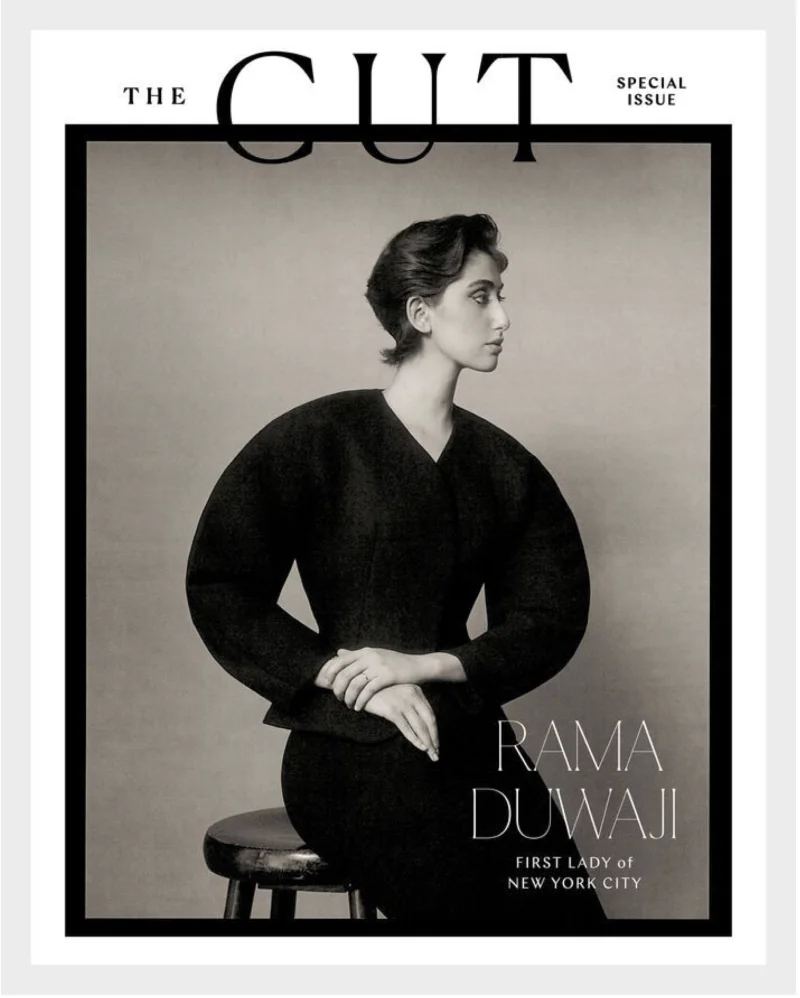
Two major editorial portraits made news recently.
Rama Dawaji, photographed by Szilveszter Makó for The Cut. And the White House team - Susie Wiles, Stephen Miller, Marco Rubio, JD Vance, Karoline Leavitt - photographed by Christopher Anderson for Vanity Fair.
Both shoots generated massive attention. Both are beautiful photography. Both are powerful images.
And the approaches couldn't be more different.
The White House: Documentary Journalism
Christopher Anderson didn't initially want to take the Vanity Fair assignment.
He assumed they wanted a celebrity photographer - someone to make the Trump administration look good. His journalistic background made him uncomfortable with that idea.
But the magazine convinced him they wanted exactly the opposite: a journalist. Someone who would observe with a critical eye and show what he actually saw, not create a polished image.
So that's what he did.
Anderson shot mostly on film. He stood very, very close to his subjects - so close that Susie Wiles told him "You're too close" at one point. He couldn't show them the images as he worked because he was shooting film.
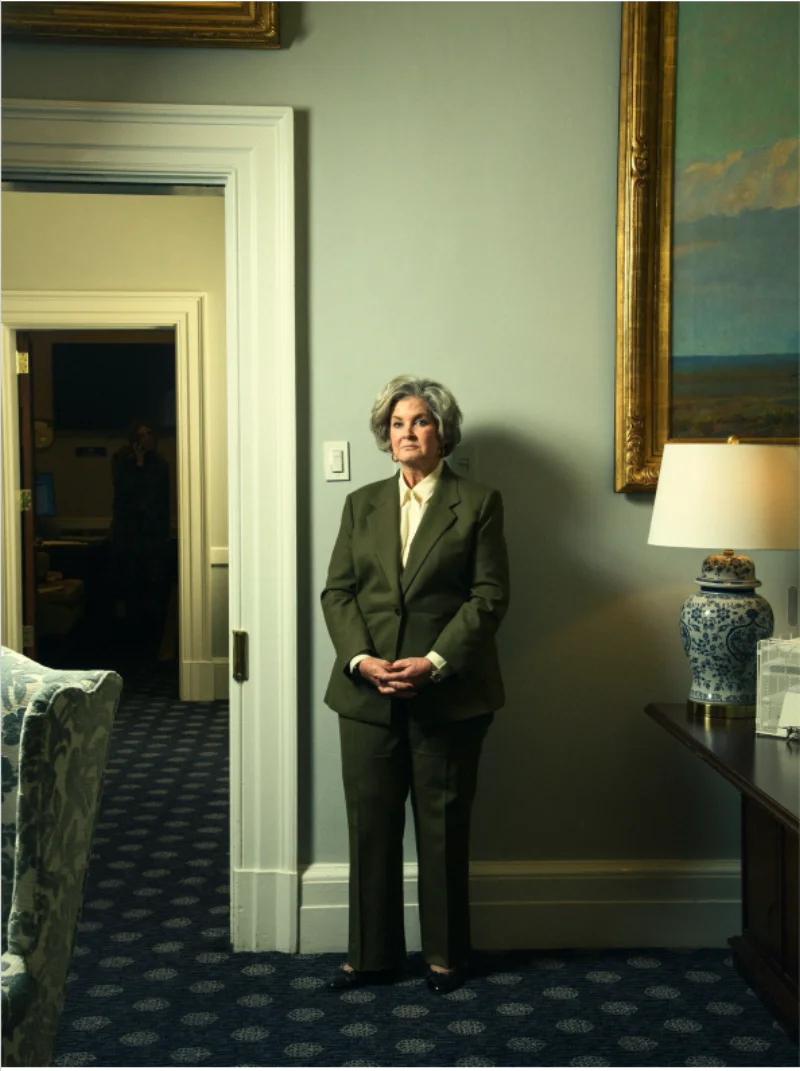
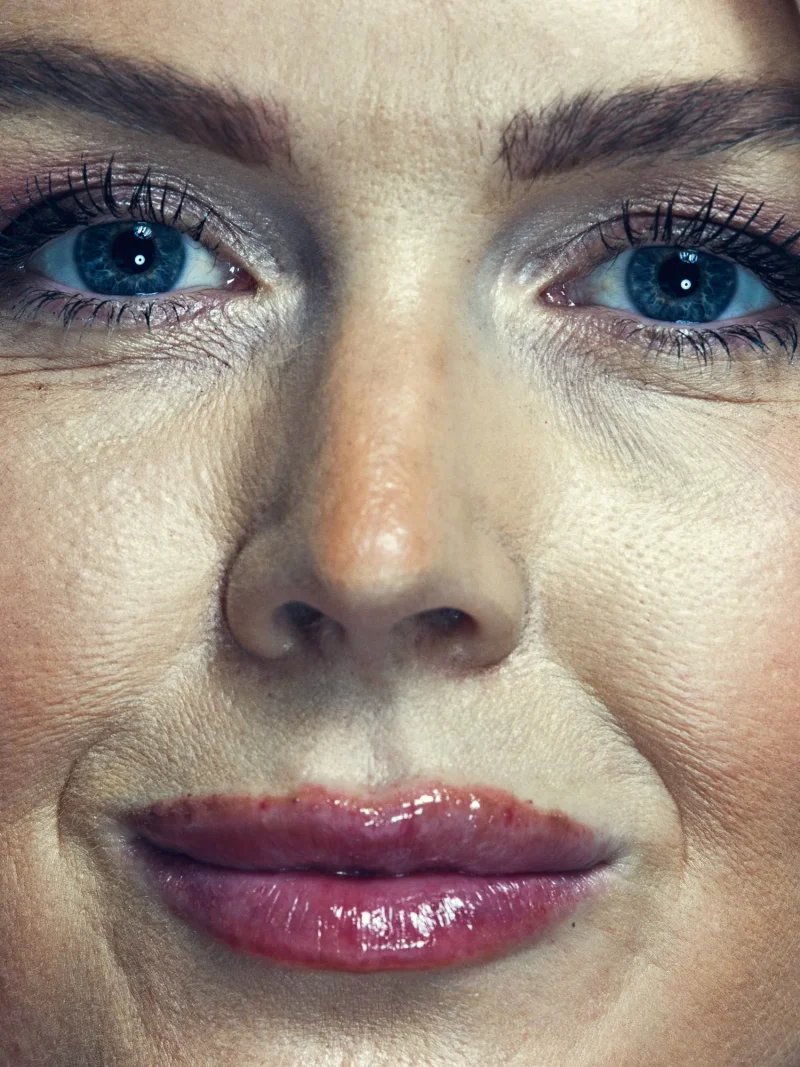
And when Vanity Fair published the portfolio, they made an editorial choice: show everything. Raw. Unedited.
Injection marks on Karoline Leavitt's lips. Paint marks on the walls. Exposed wiring. A light switch directly behind JD Vance's head. Marco Rubio's skin texture. The shabby reality of the West Wing.
The subjects look tense. Backs to walls. Uncomfortable. Small.
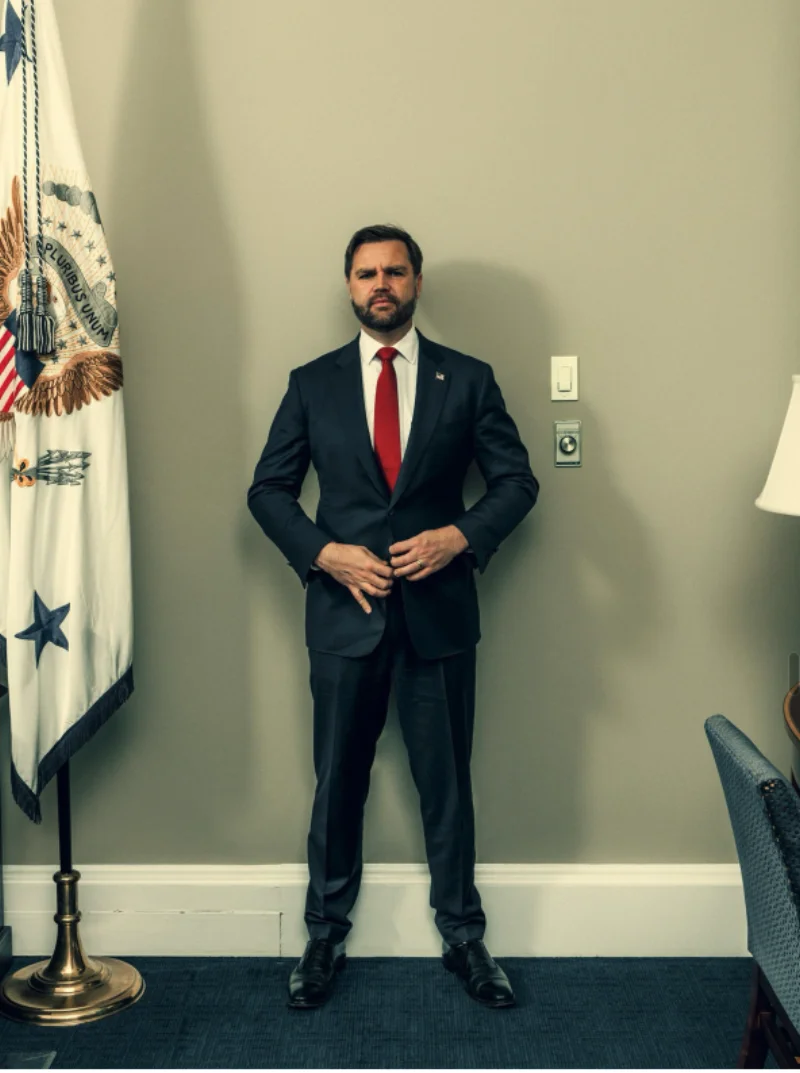
Anderson explained his approach: "My job is not to decorate a magazine, it's to show the viewers what the experience was... Photography, to me, is not necessarily about making something look pretty, it's about seeing and observing and communicating something about an experience."
This is documentary journalism. The photographer as witness, not collaborator.
Rama Dawaji: Collaborative Art
Now look at Rama Dawaji's portrait by Szilveszter Makó for The Cut.
She's literally in a box. Framed. Constrained by the composition.
But she looks free.
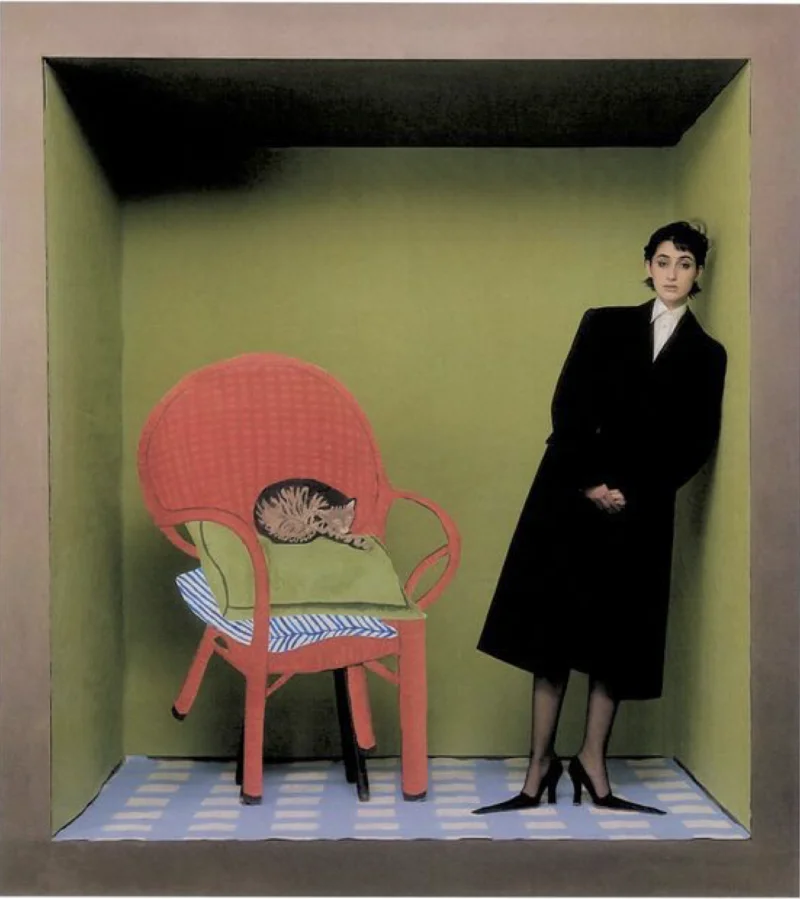
Confident. Engaged. Like she was part of creating this image, not just subjected to it.
The styling is intentional. The pose is deliberate. The expression is controlled. Everything about the image feels like collaboration - photographer, subject, stylist, magazine working together to create art.
This is fashion editorial photography. The result is beautiful, polished, intentional. It's not about documenting reality - it's about creating something that transcends reality.
The Irony
Here's what fascinates me about these two shoots:
The person who's literally constrained in a box looks confident and free.
The people who have space around them look trapped.
Why?
Control.
Rama Dawaji appears to have been part of the creative process. She collaborated. She helped create the art.
The White House subjects were being documented, not collaborated with. Anderson was there as a journalist, not an art director. His job was to observe and reveal, not to make them look good.
You can see it in their faces. In their body language. In how small they look despite being some of the most powerful people in the country.
Both Photographers Delivered Exactly What They Were Hired to Do
Here's the important part: neither approach is wrong.
Christopher Anderson is known for this close, unflinching, documentary style. He's done it with presidents, politicians, celebrities. It's his signature. The White House knew what they were getting when they agreed to sit for him.
Szilveszter Makó created art. Fashion editorial. Beautiful, intentional, collaborative. That's what The Cut wanted, and that's what they got.
Both photographers stayed true to their style. Both delivered exactly what their publication asked for. Both subjects agreed to be photographed and knew the photographer's work.
There were no surprises in either case.
What This Teaches Us About Editorial Photography
When you're photographed for a magazine, you're not in control.
The magazine is.
The magazine chooses the photographer. The magazine chooses which images to publish. The magazine decides how to present you.
That's fundamentally different from personal branding photography, where the goal is to make YOU look good, present YOUR message, serve YOUR needs.
In editorial work, the photographer serves the publication's vision, not the subject's comfort.
Vanity Fair wanted documentary journalism that showed the reality of the Trump White House. They got it.
The Cut wanted artistic, fashion-forward imagery. They got it.
Both approaches create powerful images. But they serve completely different purposes.
Which Style Is "Better"?
Neither. They're just different.
Documentary style reveals truth - sometimes uncomfortable truth. It shows reality, warts and all. It's journalism.
Collaborative art style creates beauty. It's intentional, controlled, polished. It's fashion, it's art, it's aspiration.
Both have their place.
For what it's worth? I love both shoots. The photography in both cases is exceptional.
But if I had to choose which one to shoot myself?
Rama's style is more me. Collaboration. Art direction. Working with the subject to create something beautiful together.
That's my approach to photography - creating art, not just documenting reality.
But I'm glad photographers like Christopher Anderson exist. Because sometimes we need someone to show us what's really there, even when it's uncomfortable to look at.
That's the power of photography. It can be art. It can be journalism. It can be both.
These two shoots show us exactly what that difference looks like.
You May Also Like
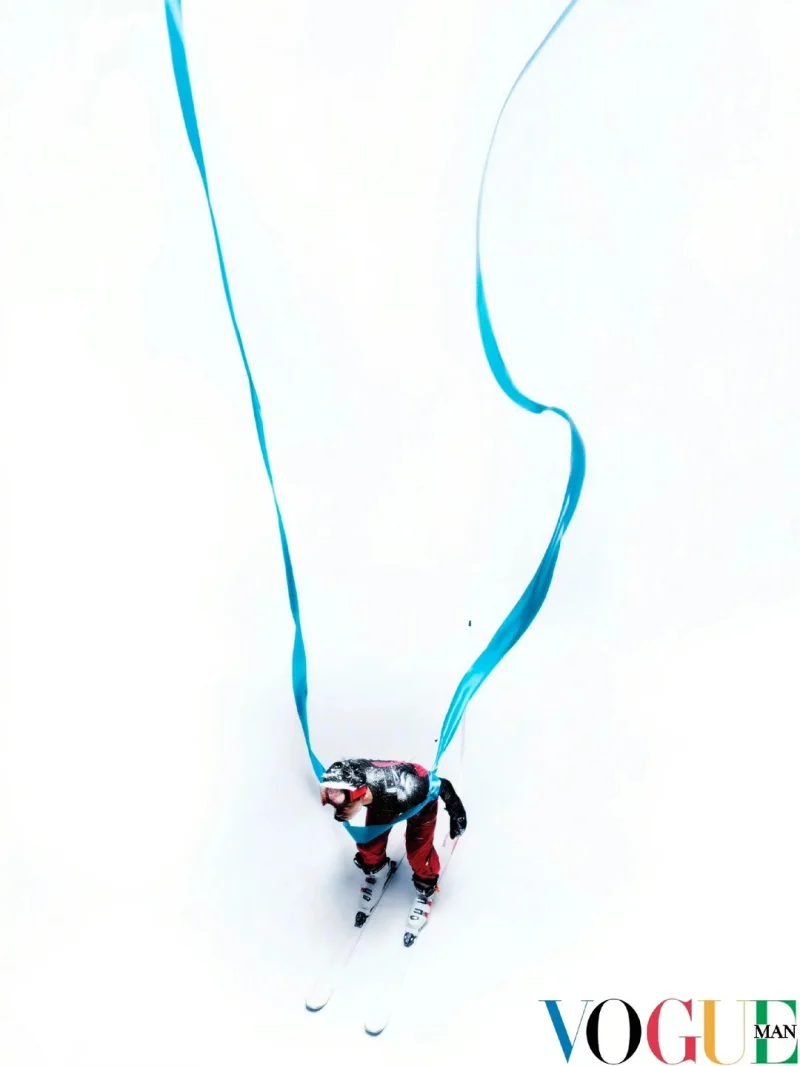
What Win Tam's Olympic Photos Teach Us About Movement in Portraits
Team China just unveiled their 2026 Winter Olympics uniforms, and Win Tam's editorial for Vogue China is a masterclass in using movement to reveal character. Here's what portrait photographers can learn from it.

Why These Photos Are Perfect (Just Not the Way You Think)
The International Photography Awards don't just reward beautiful composition and perfect light - they reward impact. What's the story? What's the goal? Did it work? This makes the winning collection stunning, unsettling, and absolutely fascinating. Here's why these photos hit harder than technically perfect ones.
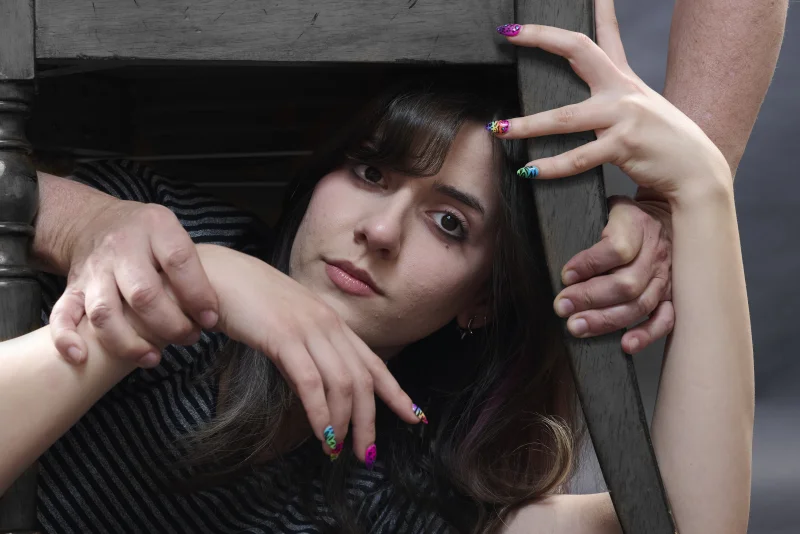
The Image AI Can't Make (And What That Taught Me About Human Creativity)
The challenge: create an image that AI can't replicate. My strategy? Target AI's known weaknesses - fingers, chair legs, spatial complexity. But what I discovered in the process was something deeper about what makes human photography irreplaceable.
