Marie

Should You Smile in Your Headshot? A Photographer's Honest Answer
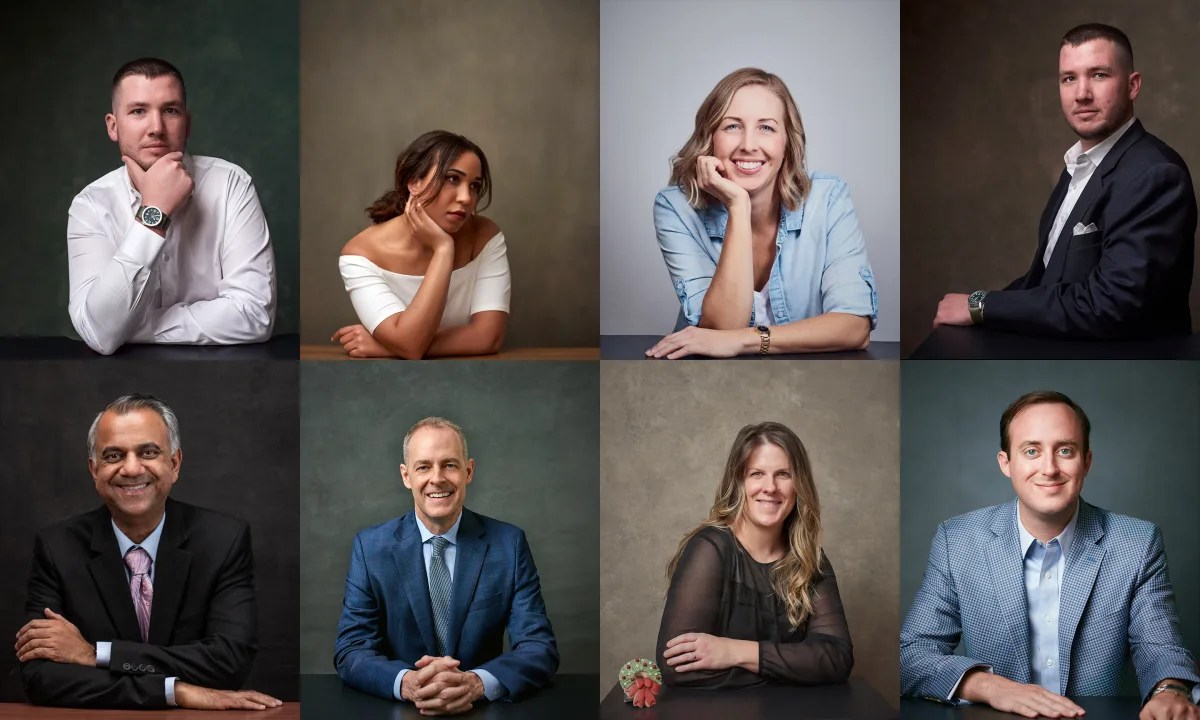
Every single client who sits in front of my camera asks some version of the same question before we start: "Should I smile?"
And every single time, I answer the same way: "What does this photo need to do?"
That usually earns me a confused look. So let me explain.
---
The Default Setting Nobody Questions
Most people walk into a headshot session with one goal: take a photo their mother would be proud of. Warm smile. Approachable. Friendly. Safe.
And there's nothing wrong with that, except when it's the wrong choice for the job.
Because here's what nobody tells you: a headshot is not a portrait. It's a tool. And just like you wouldn't use a screwdriver to hammer a nail, you shouldn't default to the same expression regardless of what you're trying to accomplish.
The smile isn't the goal. The goal is the outcome the photo is supposed to create.
---
When the Answer Is Yes

Let me be clear about something: smiling is absolutely the right call in plenty of situations.
Commercial acting? Yes. Full stop. Casting directors for commercials are looking for someone who can sell toothpaste, insurance, or the idea of a happy family on a Saturday morning. That big, open, approachable smile is exactly what they need to see. Think of every Target ad you've ever seen. That's the energy.
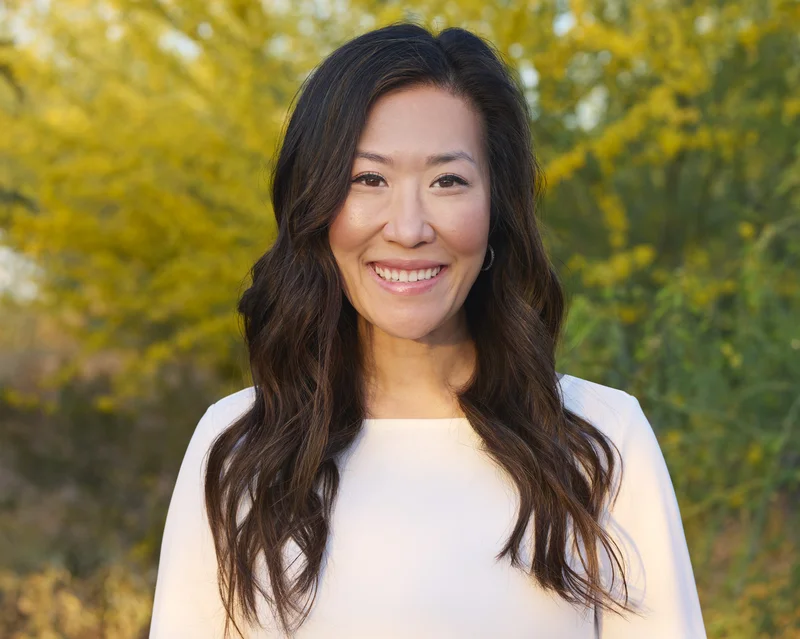
Dentists, coaches, therapists, real estate agents? Yes. Your business runs on warmth and trust. A genuine smile does half your marketing for you before you say a single word. It tells the viewer "I'm safe, I'm approachable, you can talk to me."
Anyone whose brand is built on energy and connection? Yes. If you sell yourself partly by being the most magnetic person in the room, your headshot needs to show that.
The Duchenne smile, the one that reaches your eyes, lifts your cheeks, and makes the corners of your eyes crinkle, is genuinely powerful. The problem isn't smiling. The problem is smiling on autopilot.
---
When the Answer Is No
Here's where it gets interesting.

Theatrical acting? No. The theatrical headshot is a completely different beast. Casting directors for drama need to see emotional range, depth, complexity. A big commercial smile says "I'm fun!" A quiet, intense gaze says "I can carry a scene." These are not the same thing. Think less Ryan Reynolds, more Cillian Murphy.
One of my actor clients came in for theatrical headshots after years of doing commercial work. Her instinct was to smile, because it had always worked for her. We spent the first ten minutes of the session just looking at each other while I asked her to think about something unresolved. The image we got from that was better than anything she had from her commercial portfolio. She booked her first dramatic role within two months. (If you're preparing for an acting headshot session, I also wrote a guide on what actors should wear — wardrobe choices matter just as much as expression.)
Finance executives, senior partners, C-suite professionals? It depends, and I'll get to that, but a serious, driven expression is vastly more underrated here than people think.
---
The Case for the Badass Expression

Here's my contrarian take, and I stand by it fully: a driven, serious expression is one of the most underused tools in corporate photography.
We've been conditioned to believe that not smiling looks cold, unfriendly, even arrogant. So everyone defaults to the nice smile. The result? A sea of identical headshots, all saying the same thing, all disappearing into the background.
When everyone zigs, the strategic move is to zag.
A composed, focused expression, no smile, strong eye contact, subtle confidence, does something a smile often can't: it commands attention. It signals that this person is serious. That they don't need to be liked; they need to be respected.
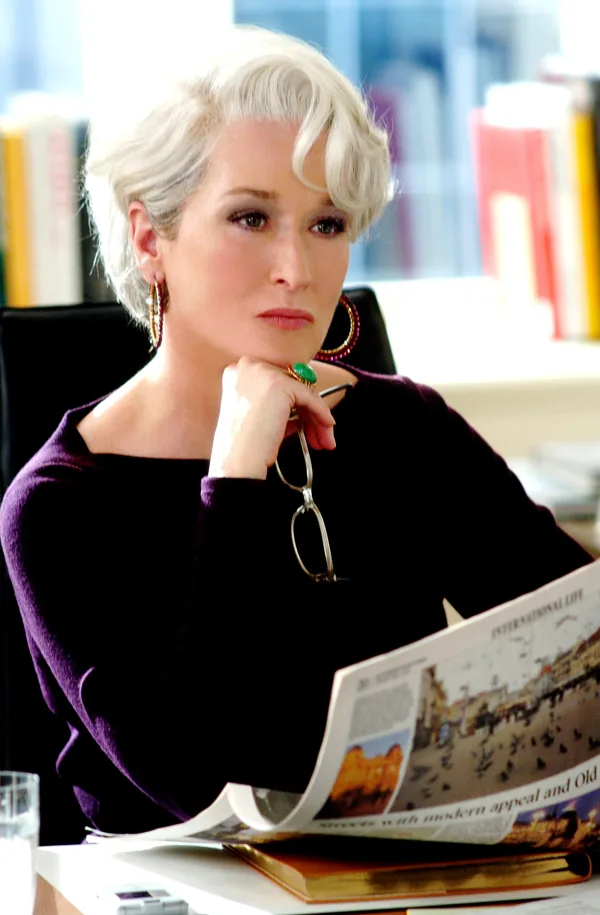 ©20thCentFox/Courtesy Everett Collection
Think Harvey Specter from Suits. Think Miranda Priestly. Think every powerful fashion editorial you've ever seen where nobody is smiling and somehow it's the most compelling image in the room.
That expression doesn't say "I'm approachable." It says "I know exactly what I'm doing." And for certain industries, that second message is infinitely more valuable.
---
The Lawyer Example (Because It's Perfect)
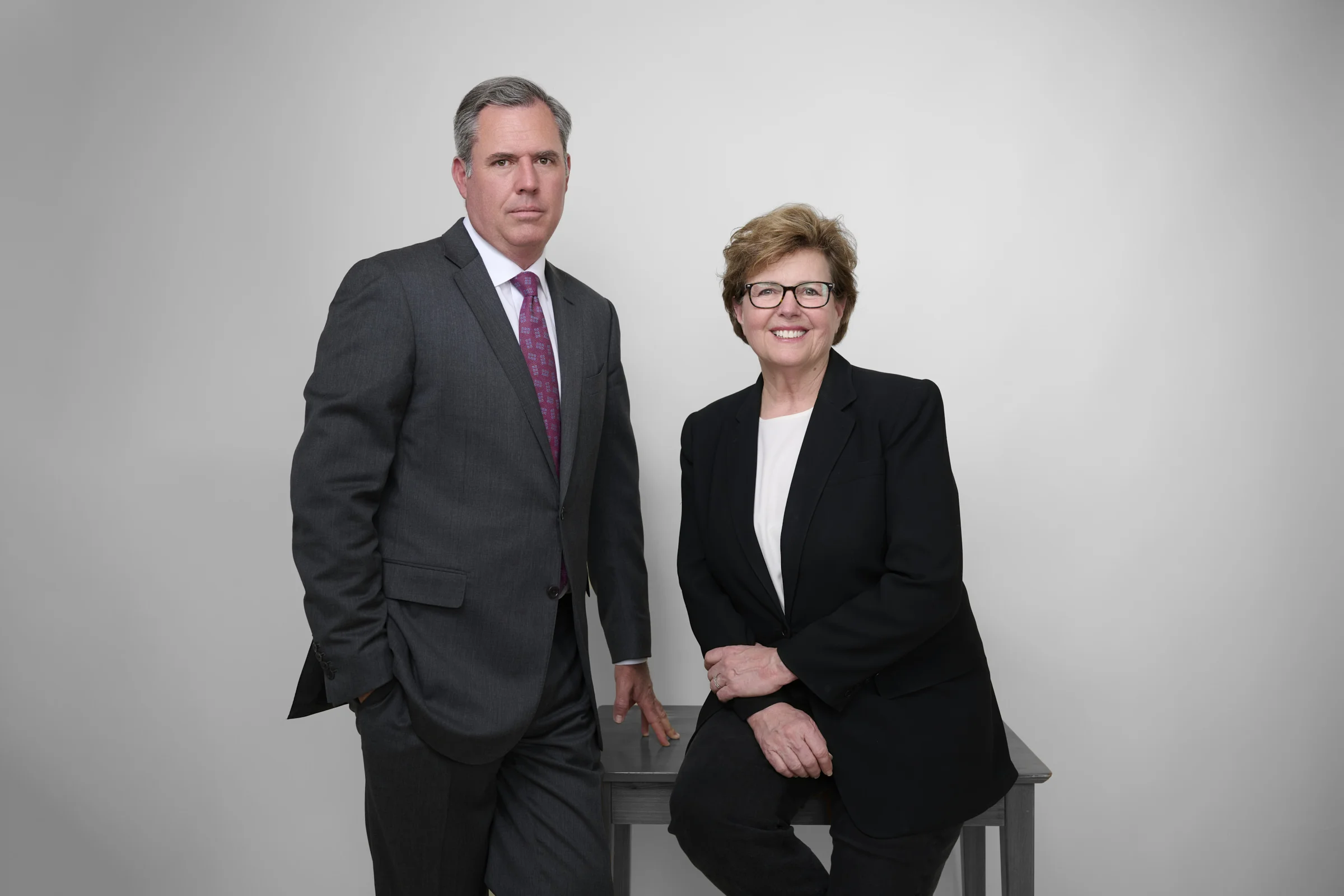
Lawyers are the ideal case study for why there's no universal answer.
A family law attorney who helps people through divorces and custody battles? Smile. Warmth is a professional asset. Clients need to feel safe with you during one of the hardest periods of their lives.
A litigation partner at a major firm known for winning high-stakes corporate cases? You might not want to smile at all. Or you want something in between, a very slight, controlled expression that says "I'm confident" without veering into "threatening." The vibe matters more than the rule.
I've photographed attorneys on both ends of this spectrum. The ones who come in with a clear sense of the message they want to send, regardless of whether that includes a smile, almost always end up with images they love. The ones who just do whatever feels natural in the moment often end up with something that looks pleasant but forgettable.
---
The Smile Isn't Even Universal
Here's something that rarely comes up in headshot conversations: smiling doesn't mean the same thing everywhere.
I have a foot in three cultures, so I've seen this firsthand.
In Russia, where part of my family is from, smiling at strangers or in formal contexts doesn't signal warmth. It signals naivety. There's even a saying that a smile without reason is a sign of foolishness. Showing up to a professional interaction with a big open grin can actually undermine your credibility. A composed, serious expression is a sign of respect, intelligence, and substance.
In France, you smile politely when you say bonjour. It's a social courtesy, not an emotional declaration. Measured. Controlled. It doesn't mean you're thrilled to see someone; it means you acknowledge them with decorum.
Then there's the United States, where you can show all your teeth, throw in a thumbs up, and nobody bats an eye. The bigger the smile, the more trustworthy and enthusiastic you seem. It's practically a superpower here.
None of these is wrong. They're just different codes.
Why does this matter for your headshot? Because if you're working with international clients, attracting global talent, or operating in industries with multicultural dynamics, the "always smile, it's friendly!" advice is actually an American cultural default dressed up as universal truth.
And even if your entire client base is in Phoenix, understanding that a serious expression carries gravitas in many of the world's business cultures might make you rethink whether your warm mom-approved smile is really the power move you think it is.
---
So What Do You Actually Do?
Before your next session, ask yourself three questions:
1. What do I want the viewer to feel when they see this photo? Comforted? Impressed? Energized? Challenged? The expression follows the answer.
2. What do my best clients or opportunities have in common? If you're trying to attract a specific type of client or role, look at the people who already occupy that space. What are their headshots communicating?
3. Am I choosing this expression, or defaulting to it? This is the big one. If the only reason you're smiling is because that's what you always do in photos, that's not a brand choice. That's a reflex.
---
The Bottom Line
There is no right answer to "should I smile?" There is only the right answer for your photo, your brand, and the outcome you need.
Smiling isn't automatically professional. Not smiling isn't automatically cold. Intention is what separates a headshot that works from one that just exists.
The nicest-smile-in-the-room photo might be exactly what you need. Or it might be costing you the exact opportunities you're trying to create.
Worth asking, before you sit down in front of the camera. Once you've figured out your expression, make sure the rest is dialed in too — here's how to look your best in your headshot. And if you're ready to find out which expression works for you, book a session. Curious about what it costs? Here's my honest guide to headshot pricing in Phoenix.
---
Marie Feutrier is an award-winning portrait photographer based in Phoenix, Arizona. She specializes in corporate headshots and business portraits that actually do something.
You May Also Like
Tips & Guides
What Kind of Photos Do You Actually Need for a Personal Brand Shoot?
More than a headshot, less than a stock library. Here is the real mix of images a personal brand shoot should give you: working shots, different looks, props, and a signature color that ties the whole set together.

Tips & Guides
AI Headshots vs. a Real Photographer: What Are You Actually Paying For?
AI headshots, a quick CVS-style photo, or a real photographer? The difference isn't just quality. Here's what you're actually paying for, and walk out with.

Tips & Guides
What Judges Actually Want in a Teen Pageant Headshot: Makeup, Color, and Expression
Your headshot reaches teen pageant judges before you say a word. A Phoenix photographer's guide to the makeup, color, and expression that read as a teen.
