Marie
Understanding Copyrights of a Profile Picture
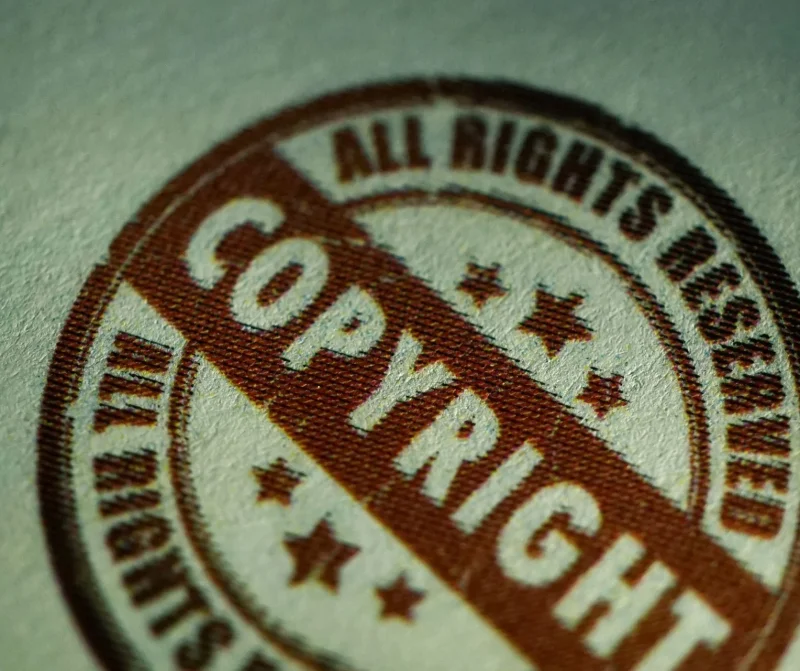
You paid for your headshot. But do you own it?
Here's a question I get more often than you'd think: "I paid for this photo, can't I do whatever I want with it?"
The short answer is: not exactly.
And with AI photo tools everywhere now, this question matters more than ever.
The Myth: "I Paid For It, So I Own It"
This is one of the most common misconceptions about photography. When you book a headshot session and pay for your images, you're not buying the photo itself. You're buying the right to use that photo.
The copyright, the actual ownership of the image, stays with the photographer.
This isn't some sneaky fine print. It's how copyright law works in the United States. The moment a photographer presses the shutter, they own that image. Payment doesn't transfer ownership unless there's a written agreement that explicitly says so.
The Exception: Work-for-Hire
There's one major exception: when a photographer is hired as an employee (not a contractor) and creates images as part of their job duties.
Think of a staff photographer at a news organization. The company pays their salary, provides the equipment, and directs the work. In that case, the company owns the photos.
But when you hire a freelance photographer for your headshot? That's not work-for-hire. You're hiring them for their creative expertise, their equipment, their studio, and their vision. They retain the copyright.
What You're Actually Buying: A License
When you purchase headshots, what you receive is a license = permission to use the images in specific ways.
Most headshot photographers (myself included) grant a pretty generous license. Typically, you can:
- Use your headshot on LinkedIn, social media, and professional profiles
- Display it on your personal or business website
- Print it for business cards, brochures, or office walls
- Share it with media outlets for press features
- Use it in email signatures and presentations
What you usually can't do without permission:
- Sell the image to someone else
- License it to a third party
- Claim you created it
- Use it in ways that weren't discussed (like stock photography)
Every photographer's license is different, so it's always worth asking if you're unsure.
The New Question: Can I Upload My Headshot to AI?
This is where things get interesting, and where a lot of people accidentally cross a line.
AI tools that edit, enhance, or generate variations of photos have exploded in popularity. Maybe you want to "refresh" your headshot, change the background, or create different versions without booking a new session.
But here's the problem: uploading your headshot to an AI tool likely violates your license.
Why? Two reasons:
1. Creating derivative works requires permission.
Most licenses grant you the right to use the image, not to modify it or create new versions. When an AI tool transforms your headshot, it's creating what copyright law calls a "derivative work." That requires the copyright holder's permission.
2. You may be giving away rights you don't have.
Read the terms of service on most AI tools. Many of them state that by uploading an image, you're granting them certain rights to that image—rights to train their models, create variations, or even sublicense.
Here's the catch: you can't give away rights you don't own.
If you upload a headshot that your photographer owns the copyright to, you're essentially promising the AI company something that isn't yours to promise.
What Should You Do?
If you want to use AI tools on your professional headshot, the safest approach is simple: ask your photographer first.
Many photographers (including me) are happy to discuss what's okay and what isn't. Some may be fine with basic edits. Others may offer to make the changes you need themselves. And some may say no, which is their right as the copyright holder.
The goal isn't to make your life difficult. It's to respect the creative work that went into your images while making sure you can use them effectively.
The Bottom Line
Your headshot is an investment in your professional image. Understanding what you can and can't do with it protects both you and the photographer who created it.
When in doubt, just ask. Most of us are happy to help you get the most out of your images—within the bounds of the agreement.
Have questions about how you can use your headshots? Contact me and I'm happy to clarify.
You May Also Like
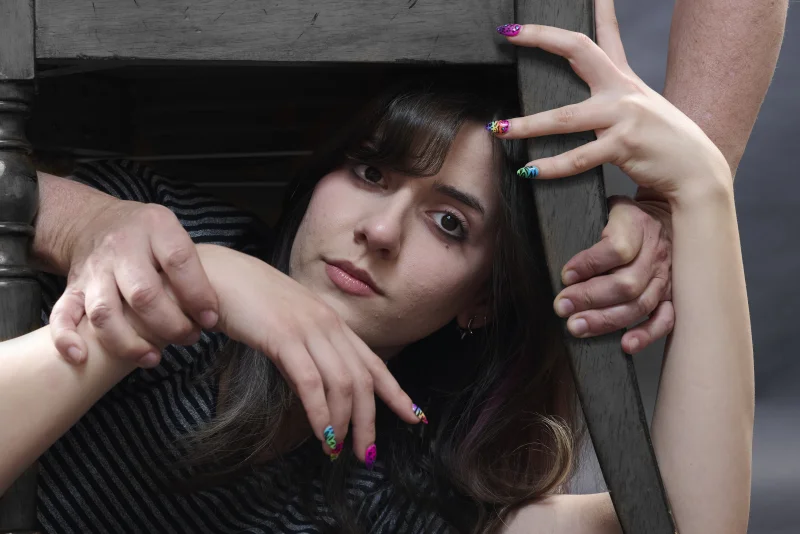
The Image AI Can't Make (And What That Taught Me About Human Creativity)
The challenge: create an image that AI can't replicate. My strategy? Target AI's known weaknesses - fingers, chair legs, spatial complexity. But what I discovered in the process was something deeper about what makes human photography irreplaceable.
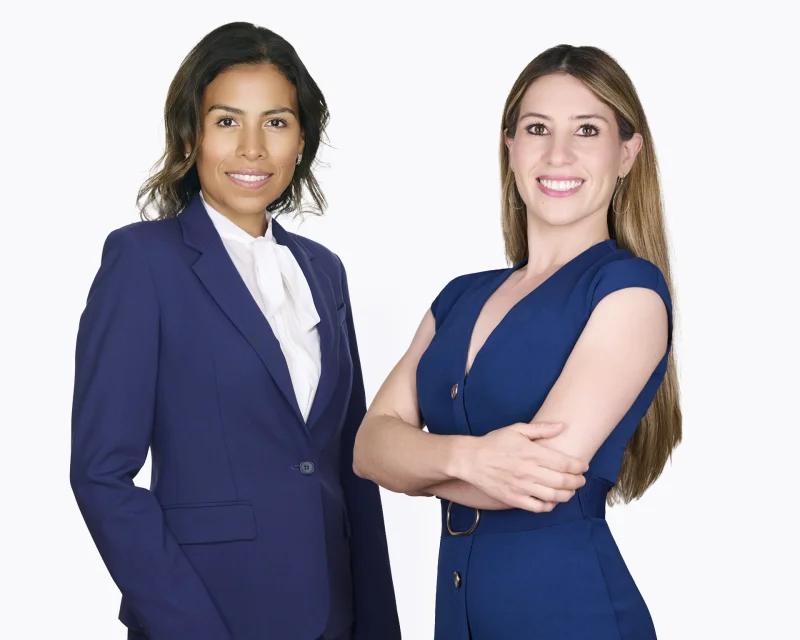
What to Wear for Your Headshot: A Guide for Women
Wear what you would wear to an important business meeting. A Phoenix photographer's guide to blazers, color, necklines, fit, and the one exception.
What Colors Should You Wear for Your Headshot?
I own a black silk shirt that makes people ask if I'm sick. Here's how a color season test changes what you should wear for your headshot.
