Marie

What to Wear for a Professional Headshot (Men's Guide)
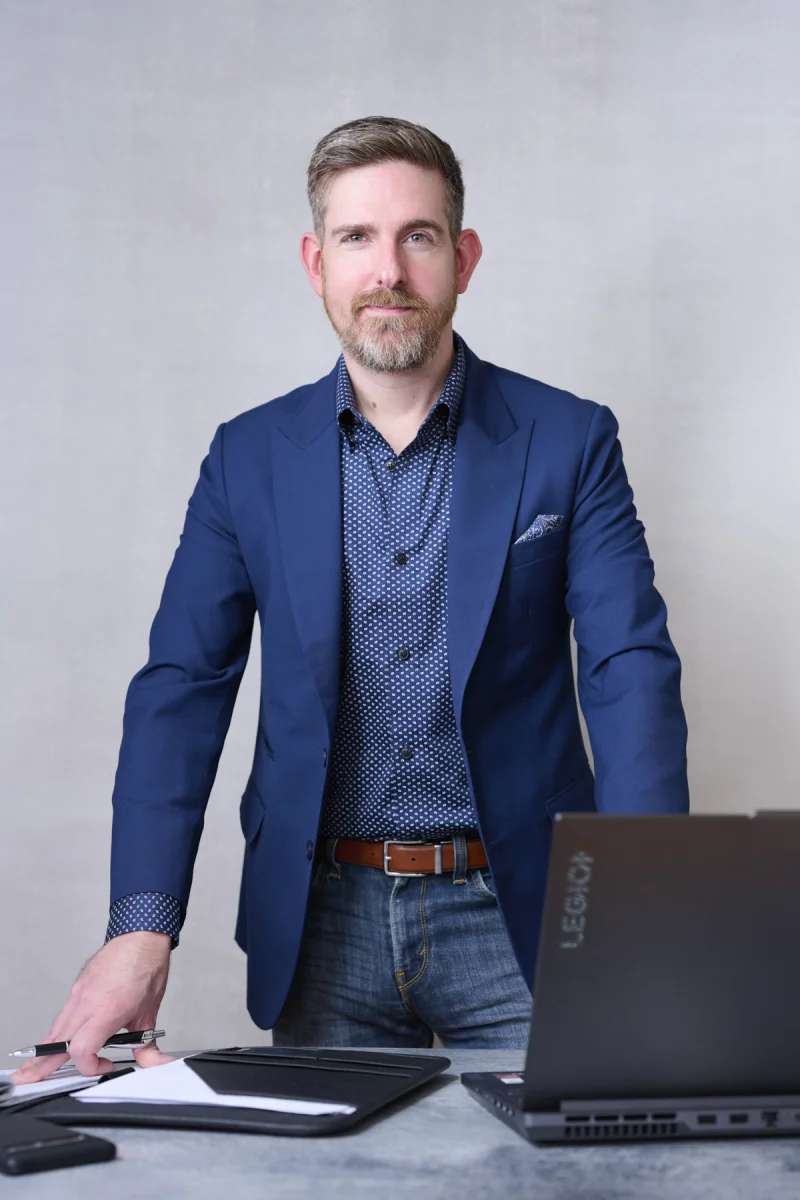
A straightforward guide to looking sharp without overthinking it
Most guys overthink what to wear for their headshot. The good news: looking sharp isn't complicated. A few smart choices and you're set.
My rule of thumb: dress like you're going to an important business meeting with someone you want to impress. That looks different depending on your industry, and that's the point.
Here's the full range of what works.
The Style Spectrum
There's no single "right" look for a professional headshot. It depends on your industry, your clients, and how you want to be perceived. Here's the spectrum from most formal to most casual:
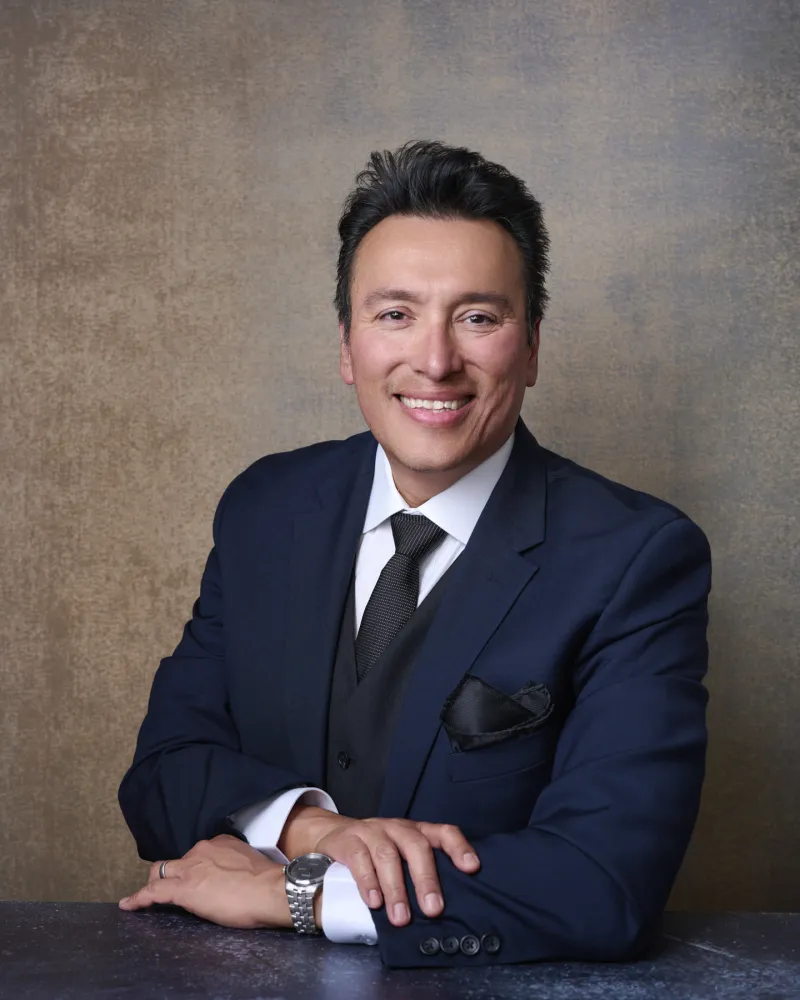
Dressy: The Suit and Tie
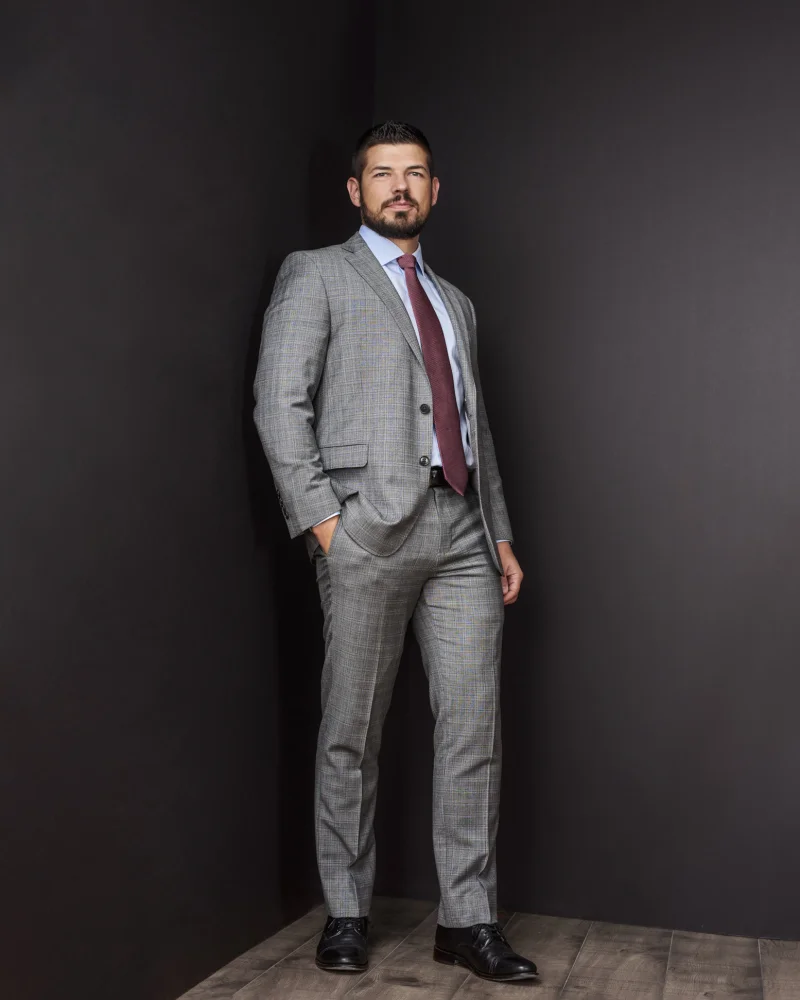
For executives, attorneys, finance professionals, or anyone in a traditional corporate environment. This signals authority and formality.
* Full suit with vest * Crisp dress shirt * Tie (subtle pattern or solid) * Conservative colors: navy, charcoal, black
This is the "boardroom ready" look. If your clients expect to see you in a suit, your headshot should reflect that.
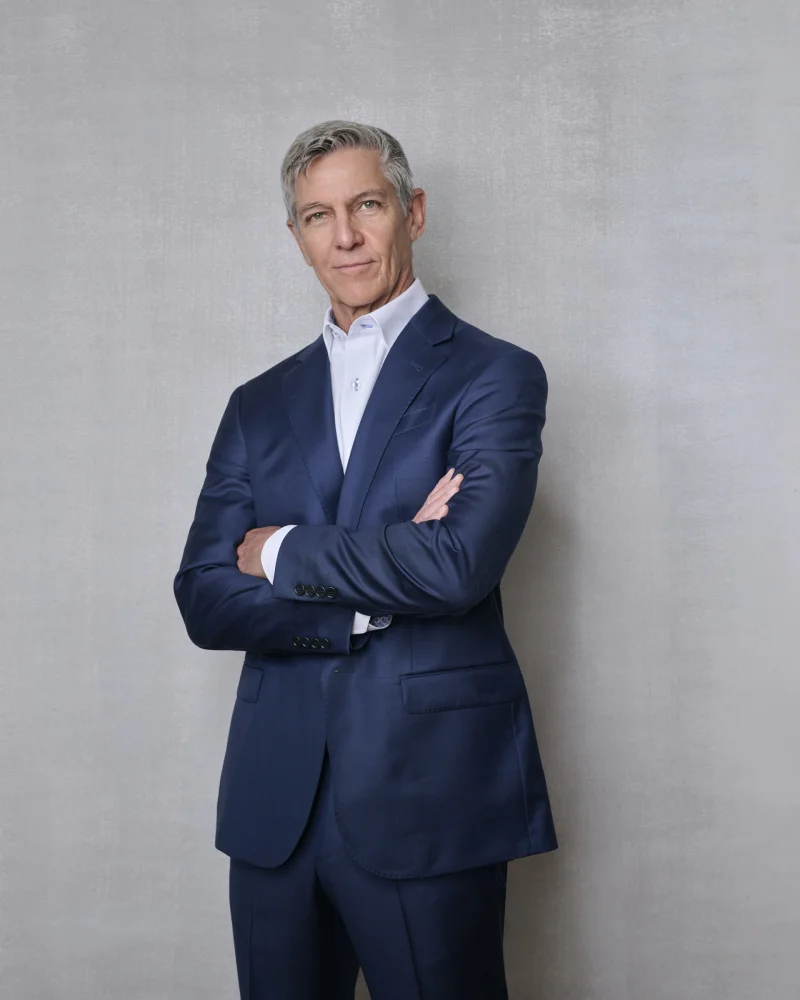
Professional: Blazer + Button-Down
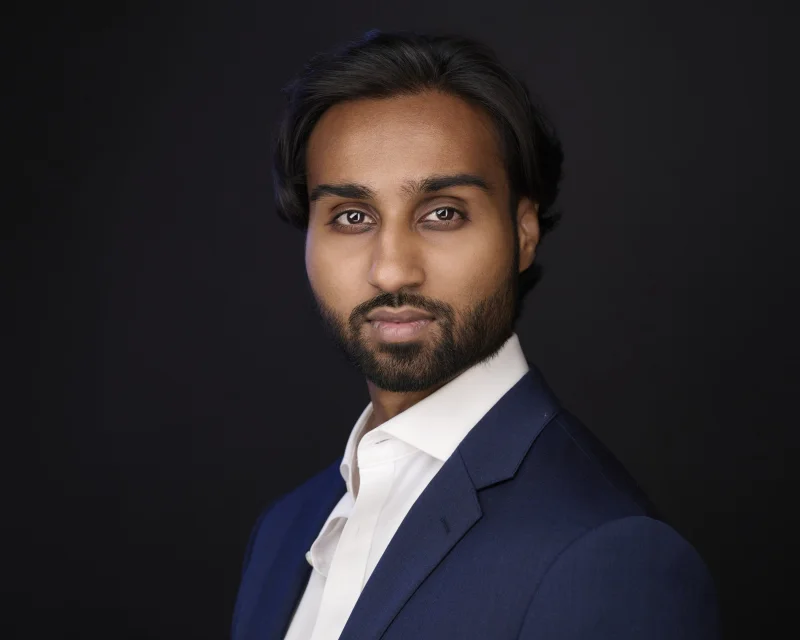
The sweet spot for most professionals. Polished without being stiff.
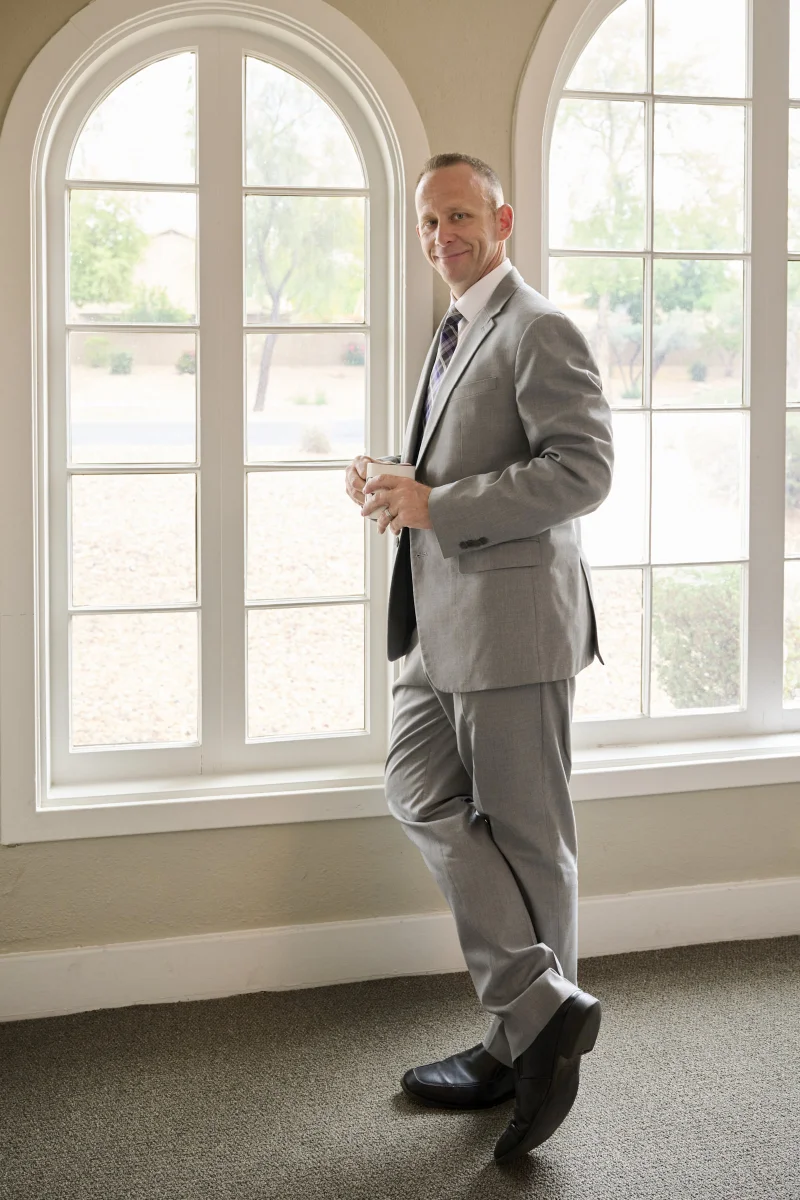
* Navy, charcoal, or black blazer * White, light blue, or soft grey shirt * Tie optional (skip it unless you wear one daily)
This works for consultants, entrepreneurs, sales professionals, managers, and just about anyone who wants to look competent and approachable. If you're in Phoenix, layering is a summer survival skill — not for warmth, but for the 40-degree swing between the parking lot and the conference room. A blazer you can throw on indoors is the most versatile piece you'll bring.
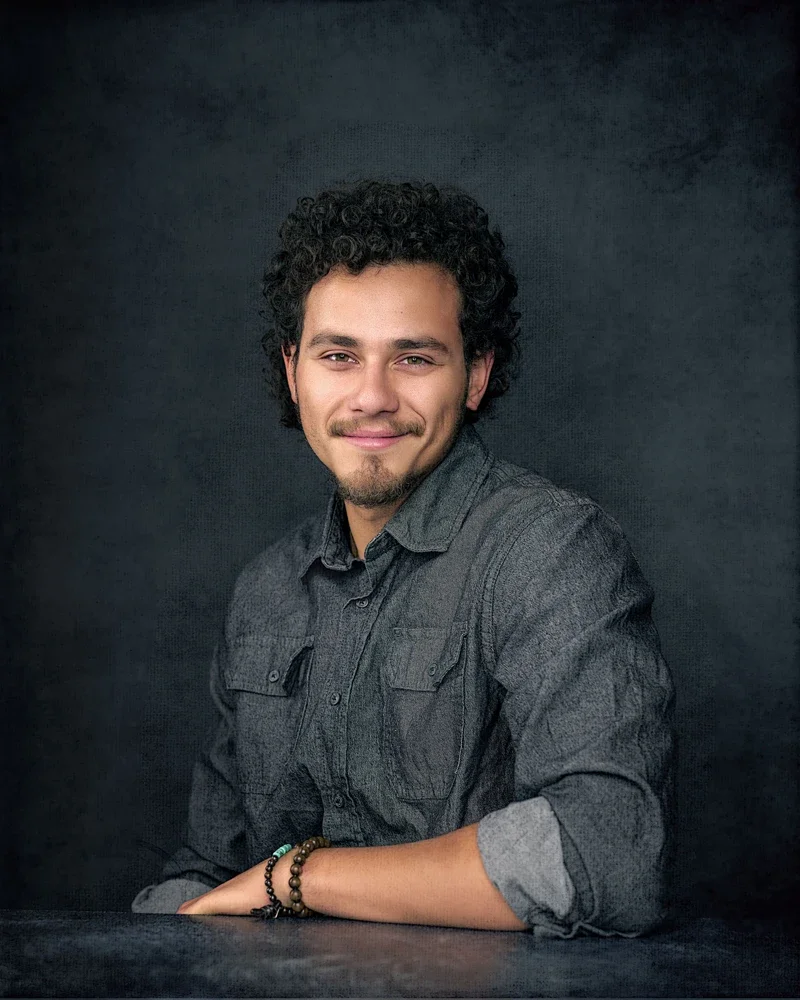
Smart Casual: Button-Down, No Jacket
Relaxed but still put-together. Great for tech, startups, creative industries.
* Quality button-down shirt (top button open) * Rolled sleeves can work for a more relaxed vibe * Solid colors or subtle patterns
You look like someone who gets things done without taking yourself too seriously.
Casual: The Elevated T-Shirt
For creative fields, casual workplaces, or personal brands where approachability matters more than formality.
* Fitted crew neck or V-neck in a solid color * Quality henley * Clean, simple, no logos or graphics
The key word is quality. A cheap t-shirt looks cheap. A well-made one looks intentional.
Industry-Specific: Wear What You Wear to Work
Here's something people forget: if your clients see you in a specific uniform or attire, that's what belongs in your professional portraits.
Company polo with your logo: Perfect for sales teams, technicians, service professionals. Shows you're part of the team.
Scrubs: Doctors, nurses, healthcare professionals. Patients want to see what you look like when you're treating them.
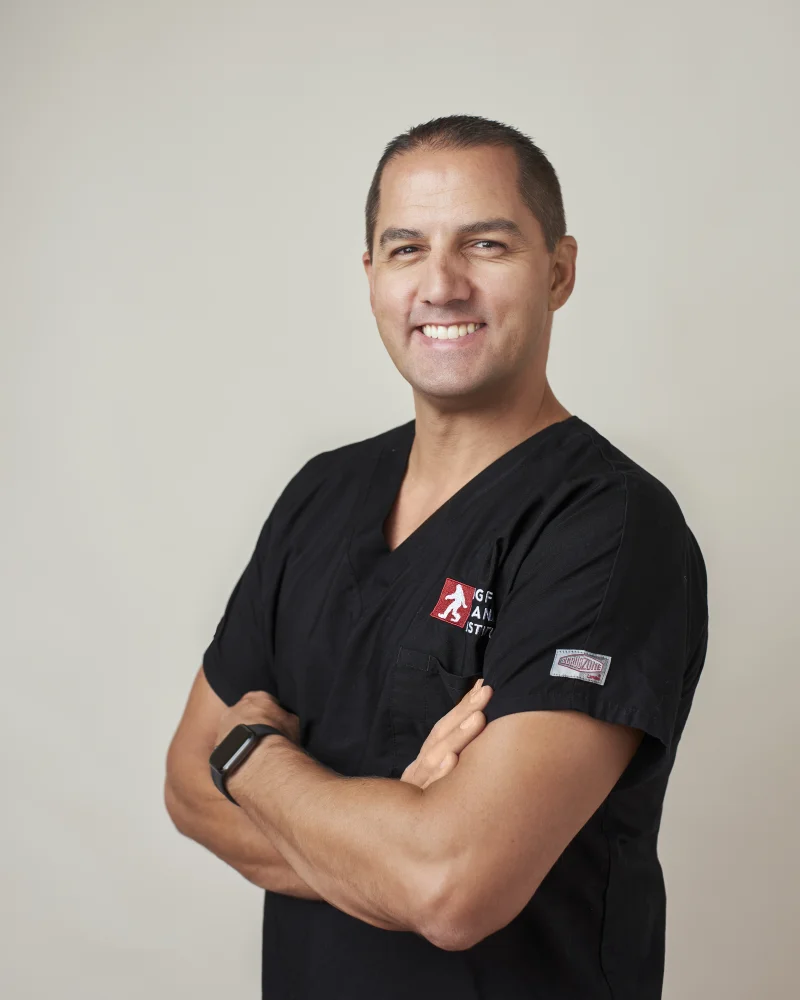
Lab coat: Pharmacists, researchers, medical professionals. Signals expertise.
Hard hat and safety gear: Construction, engineering, contractors. If you meet clients on job sites, this is your professional attire.

Chef coat: Chefs and culinary professionals. It's your uniform. Own it.
Athletic wear: Personal trainers, yoga instructors, coaches, gym owners. If you train clients in workout gear, that's your professional attire. A fitted athletic shirt or polo from your gym shows you practice what you preach. Just make sure it's clean, fits well, and isn't too casual. Your photo should say "I'll help you reach your goals," not "I just rolled out of bed."
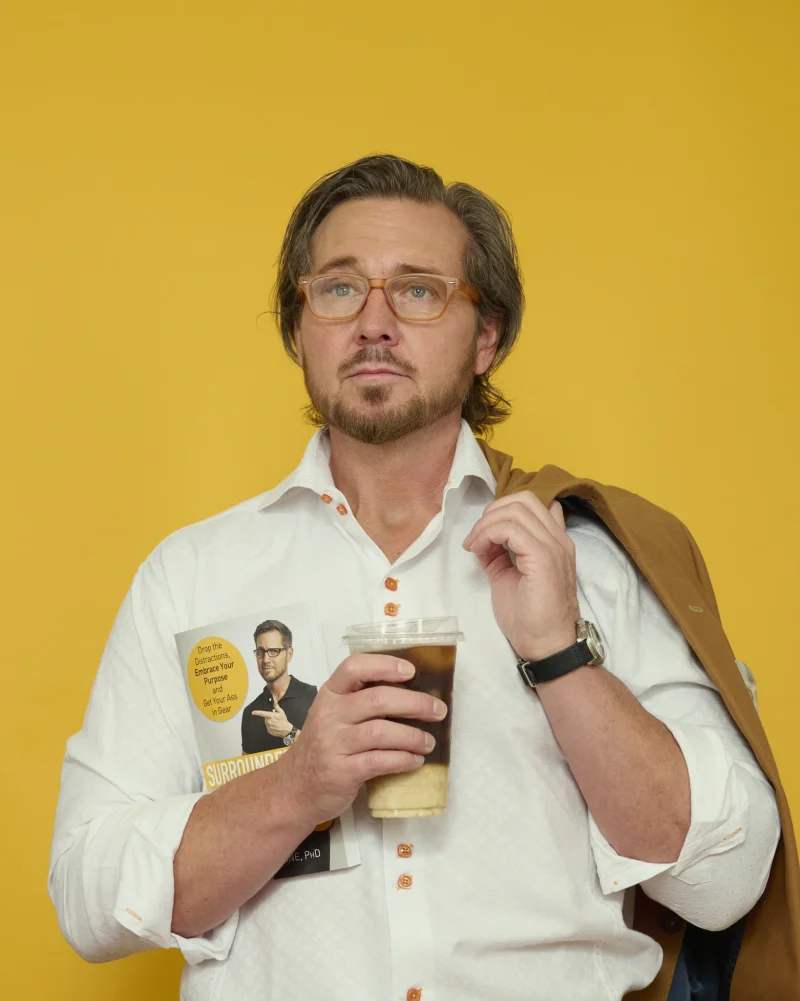
Personal brand: Authors, speakers, podcasters, coaches. Your headshot should reflect how your audience knows you. Props, bold colors, and personality are all fair game. If you host a show, a dedicated set of podcast headshots covers your cover art, guest one-sheets, and episode graphics in one session.
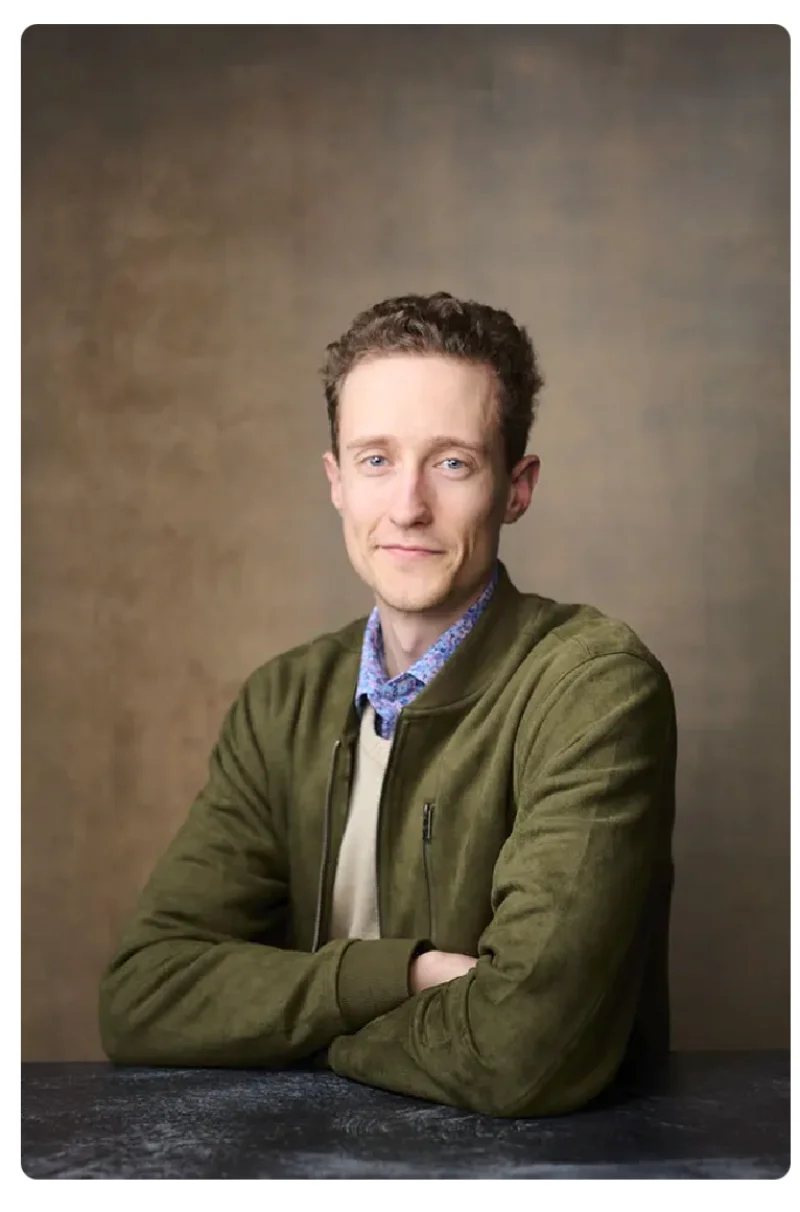
The rule is simple: if that's how your clients experience you, that's what you should wear in your headshot. Your photo should match reality.
Actors: A Different Game
Actor headshots follow completely different rules. You're not dressing for clients; you're dressing for the roles you want to book. Commercial, theatrical, character work: each requires a different approach.
I've written a dedicated guide for actors: What Actors Should Wear for a Headshot Session
Fit Matters More Than Price
An expensive shirt that doesn't fit will look worse than a basic shirt that fits perfectly.
Check these:
* Collar sits flat against your neck (no gaps, no bunching) * Shoulders hit at your actual shoulder * Shirt isn't billowing or too tight across the chest * Jacket buttons without strain
If something doesn't fit right, don't wear it. Bring alternatives.
Colors That Photograph Well
Best choices:
* Navy * Charcoal * White * Light blue * Burgundy * Forest green * Black
Avoid:
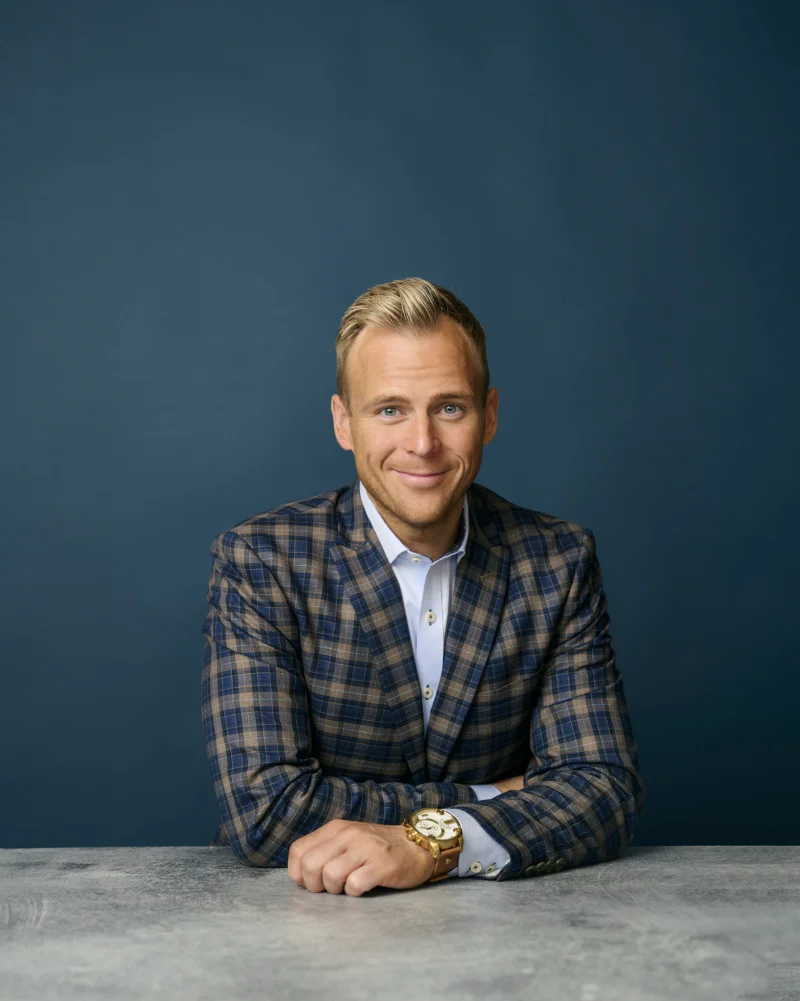
* Busy patterns or loud prints * Large logos or graphics * Sport watches
Solid colors keep the focus on your face.
Accessories
Less is more. Accessories should complement your look, not compete with your face.
Watches: A double-edged sword. The right watch can add a touch of sophistication and hint at success. The wrong one looks obnoxious or distracting. When in doubt, take it off.
Glasses: If you wear them daily, keep them on. We'll adjust lighting to minimize glare. If you switch between glasses and contacts, bring both and we'll see what works better on camera. Frames should be clean and in good condition. No scratched lenses.
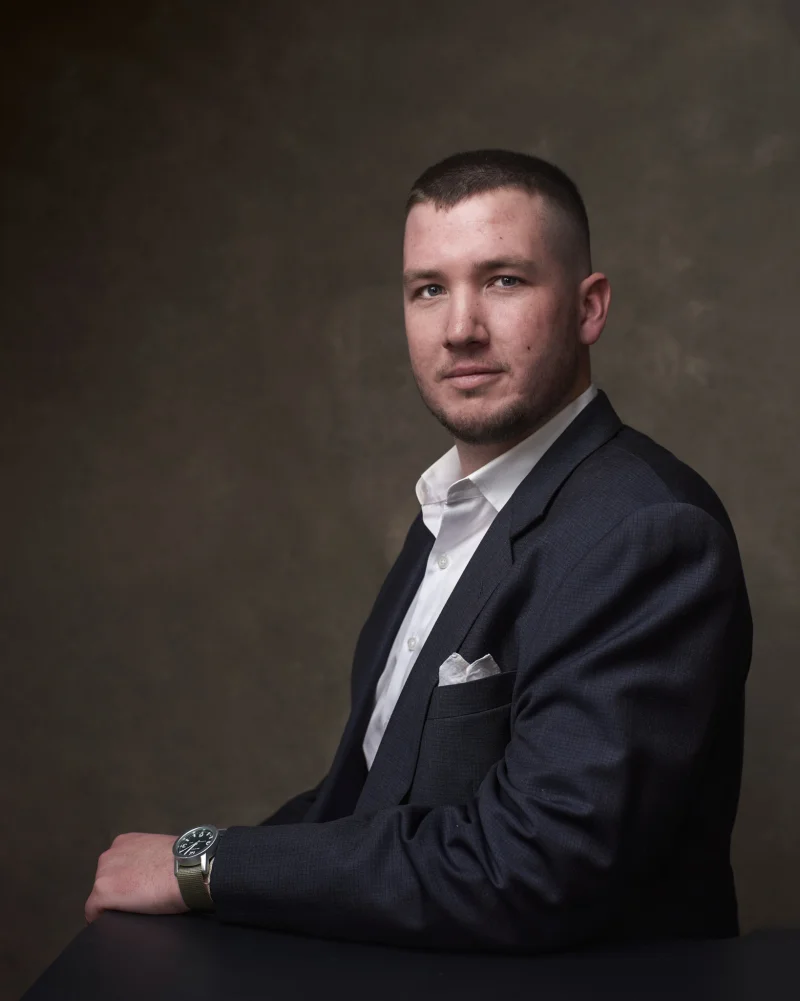
Pocket squares: Can add a subtle pop of color or personality to a suit or blazer. Keep it simple. A clean fold, not too elaborate. Solid colors or subtle patterns only. Skip it if it feels forced.
Tie bars and cufflinks: Fine if they're part of your everyday style. Keep them understated. Nothing novelty. Nothing that screams for attention.
Jewelry: Minimal. A wedding band is fine. A simple chain under your shirt is fine. Visible necklaces, bracelets, or multiple rings can be distracting in a professional headshot. If you wouldn't wear it to a client meeting, leave it at home.
The general rule: if an accessory makes someone look at your wrist or your lapel instead of your eyes, it's working against you.
Grooming Details
Haircut: Get one 5-7 days before your session. Fresh cuts can look too sharp; give it time to settle.
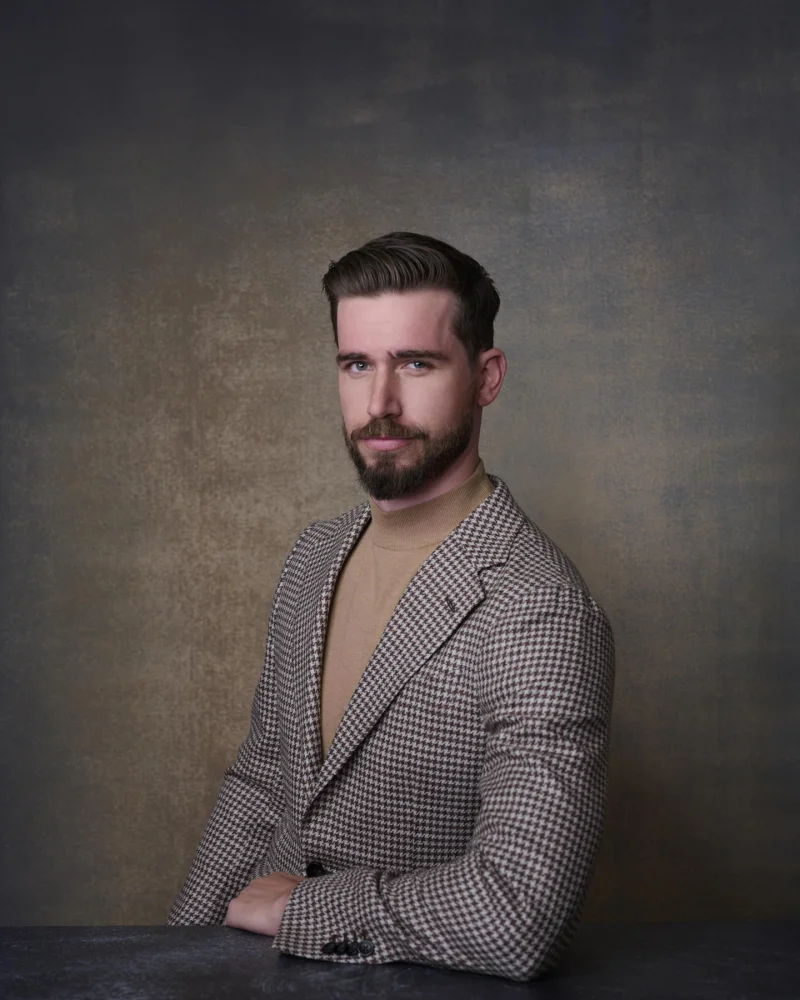
Facial hair: Whatever you choose, make it intentional. Clean shave, neat stubble, trimmed beard. All work. Just don't show up looking like you forgot to decide.
Skin: Hydrate the day before. If you have concerns about shine, I can do light touch-ups with translucent powder. Retouching handles the rest.
Hands: If there's any chance they'll be in the shot, make sure nails are clean and trimmed.
For more on angles, posture, and confidence on camera, read how to look your best in your headshot.
What to Bring
Don't commit to one outfit. Bring options:
* 2-3 shirts in different colors * Blazer or jacket (even if you're not sure you'll use it) * Optional tie * Your work uniform if relevant * Anything for touch-ups: hair product, comb, etc.
We'll look at everything together and decide what works best on camera.
The Confidence Factor
Here's what I've learned photographing thousands of professionals: the outfit you feel best in usually photographs best.
If you hate ties, don't wear one. If you feel powerful in a certain color, bring it. Your comfort shows on camera.
The goal isn't to look like someone else. It's to look like the best, most polished version of yourself.
Quick Checklist
Do:
* Dress for an important business meeting * Prioritize fit above all else * Stick to solid, muted colors * Bring 2-3 options * Groom intentionally
Don't:
* Busy patterns or logos * Ill-fitting clothes * Wrinkled shirts * Anything that doesn't match how clients see you
For wardrobe advice that applies to everyone — men and women — read my guide on blending authority and approachability in your wardrobe. Ready to get your headshot done? Book your session here.
You May Also Like
Tips & Guides
Should You Wear a Tie for Your Headshot? Here's the Real Answer
When does a tie belong in your headshot, and when does it just get in the way? The honest answer, plus the one rule about ties you should never break.

Tips & Guides
What Colors Should You Wear for Your Headshot?
I own a black silk shirt that makes people ask if I'm sick. Here's how a color season test changes what you should wear for your headshot.

Tips & Guides
AI Headshots vs. a Real Photographer: What Are You Actually Paying For?
AI headshots, a quick CVS-style photo, or a real photographer? The difference isn't just quality. Here's what you're actually paying for, and walk out with.
