Marie
What Actors Should Wear for a Headshot Session (And What the Internet Gets Wrong)
If you've been Googling "acting headshots near me" or "what to wear for actor headshots," you've probably already found a dozen guides that all say roughly the same thing. Some of that advice is solid. Some of it? I respectfully disagree, and after photographing hundreds of actors for acting headshots in Arizona and beyond, I have the receipts.
So let's go through all of it: the consensus that holds up, the advice that needs a rethink, and the things nobody talks about but really should.
---
Start With the Right Question
Before you even open your closet, stop and ask yourself one question: What roles do I actually want to book?
This sounds obvious, but most actors skip this step and just grab whatever looks "nice." The problem is that "nice" doesn't book you. Specific books you.
A lawyer and an action movie character are not wearing the same outfit. A sitcom mom and a femme fatale are not in the same color palette. Your headshot is your first marketing tool, and marketing only works when it speaks to the right audience about the right thing.
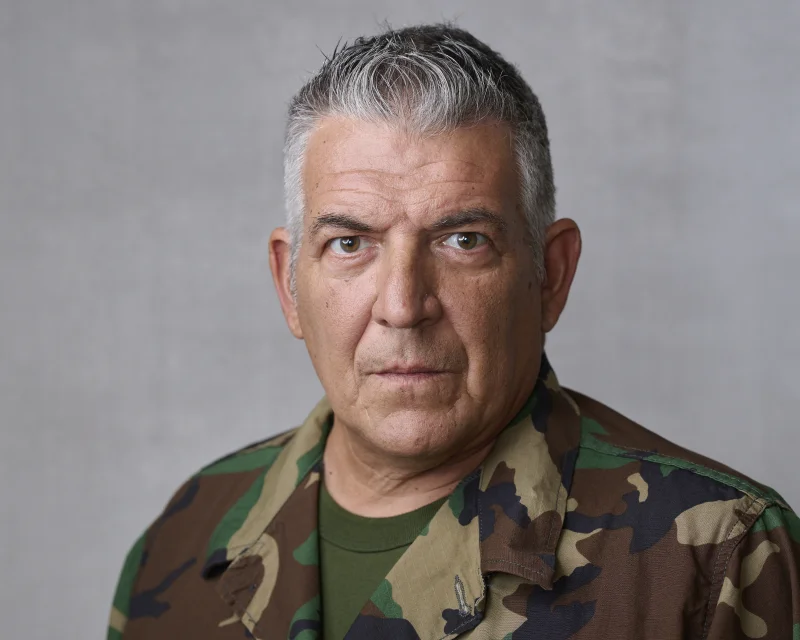
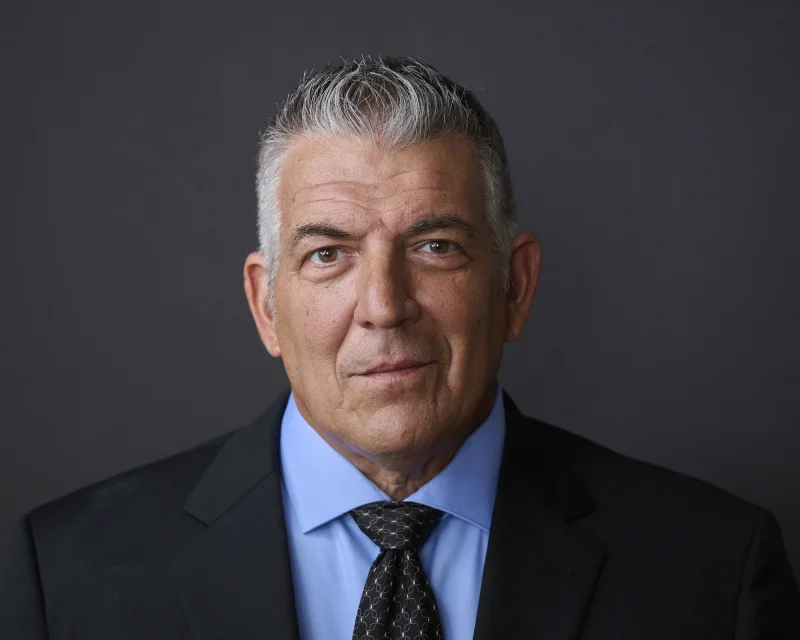
The military officer
The Pentagon official
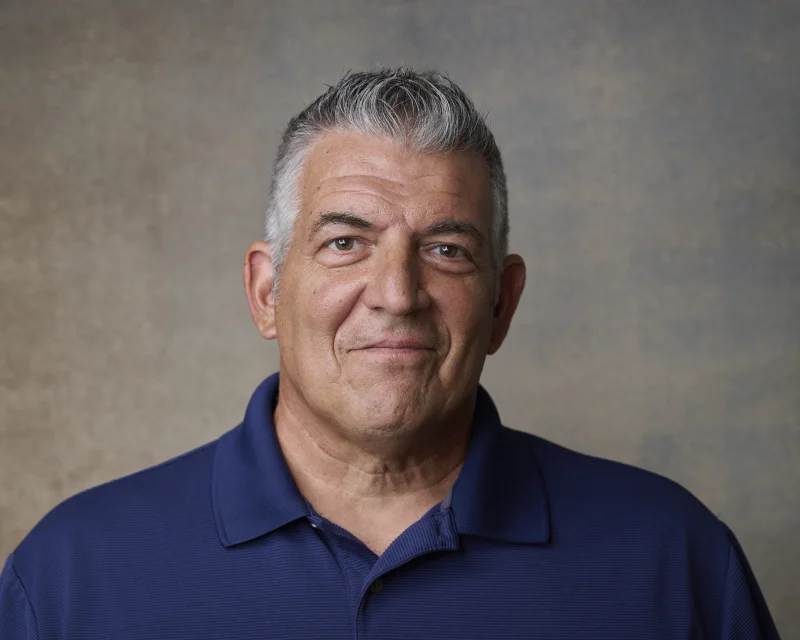
The coach
Same actor. Same session. Three completely different characters — and the only thing that changed was the wardrobe. That's how powerful clothing choices are in actor headshots.
So before you pack your bag, write down two or three types you genuinely want to be cast as. Then build your looks around those types. Think of your outfit as a shortcut that helps casting directors picture you in the role before the audition even happens. You're not playing dress-up, you're giving them a visual starting point.
---
The Things Most Guides Get Right
Your face is the product. Everything else is supporting cast.

This is the one rule that never changes. If someone looks at your acting headshots and their eye goes straight to your necklace, your graphic tee, or your bold pattern, the photo has already failed. Every wardrobe decision you make should be asking the same question: does this bring the eye up to my face, or does it pull attention somewhere else?
Fit matters more than fashion.
Clothes that were made for your body will always photograph better than clothes that are trendy but wrong for your frame. Oversized might be your everyday vibe, but it tends to swallow you in a headshot. Go fitted, or at least tailored-looking.
Bring way more than you think you need.
More options means more flexibility on the day. Different looks should tell different stories. If your three outfit changes are essentially the same vibe in three different colors, you're going home with three versions of the same headshot. Bring variety. Bring the unexpected thing too and let your photographer help you decide.
Color is your friend, used wisely.

For commercial work, brighter and warmer tones add energy and approachability. For theatrical or dramatic roles, deeper tones like navy, burgundy, forest green, and charcoal tend to read better. Neons and colors that feel unnatural on skin are almost always a miss. And avoid anything that visually vibrates against your skin tone. It creates tension in the image that's hard to explain but impossible to ignore.
---
Where I Push Back (Respectfully, But Firmly)
On glasses: skip the pharmacy hack
You've probably seen the advice to buy cheap glasses at the drugstore and pop the lenses out to avoid reflections. I understand the thinking, but the result is almost always a weird, obviously-fake look that reads immediately on camera.
Here's what I actually recommend: if you wear glasses in real life and they're part of your identity, wear glasses. Just buy a pair with very low correction or non-prescription lenses. Why does correction level matter? Strong prescriptions cause lens distortion, which warps and magnifies the area around your eyes. In a headshot, where your eyes are everything, that's a significant problem. Low correction keeps the integrity of the image without sacrificing the authenticity of how you actually look.
On black on black: don't count it out
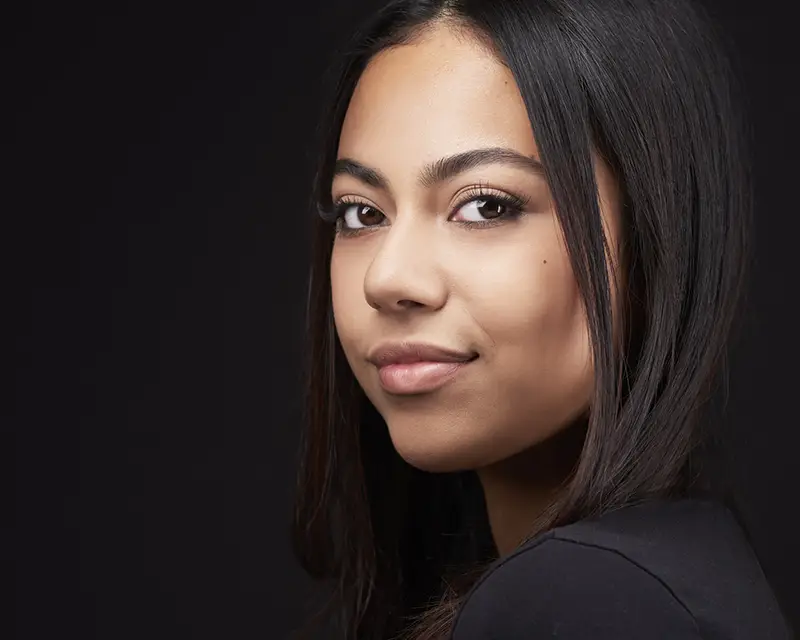
A lot of guides warn against black on black because it supposedly creates lighting problems. I'll be direct: that's a lighting problem, not a clothing problem. With the right equipment and technique, black on black can look stunning. It can read as sleek, serious, powerful, or effortlessly cool depending on the role. Don't eliminate it from your options because of advice written for photographers who haven't invested in their gear.
On ribbed fabrics: same story
Ribbed tanks and ribbed tops get a bad reputation because certain cameras and certain lighting setups struggle with tight textures. Again, this is a technical problem that good photographers solve on their end. If a ribbed top is perfect for your look, bring it. Talk to your photographer ahead of time, and let them work with it.
Add "no puffy sleeves" to the list
This one doesn't get mentioned enough. Puffy sleeves, balloon sleeves, oversized ruffled shoulders. They all add volume in places that compete with your face. In a headshot framing (which is tight by design), that extra bulk near your shoulders and neckline creates visual noise. Save the statement sleeves for your Instagram. For your headshot, keep the shoulder line clean.
---
Let's Talk About Jewelry (For Real This Time)
This is where I have the most specific opinions, so stay with me.
Necklaces: less is more, and chains with pendants are a trap
Here's the thing about pendant necklaces that nobody warns you about: they never hang straight. Not on a shoot day, not when you're moving, not when you're getting into your performance. The pendant shifts left, drifts right, sits crooked at the base of your throat, and suddenly you're staring at it in every single frame. It becomes a distraction in post-production, and no amount of retouching fully fixes asymmetry.
My honest recommendation? No necklace is the better default. A clean neckline draws the eye straight up to your face with no competition. If your character type genuinely calls for a necklace, choose something substantial and symmetrical that lies flat. But for most looks, skip it.
Earrings: match them to the role

Small or no earrings are the safe baseline, and they work for most looks. But here's the framework I actually use with my clients: earring choices should be driven by character, not by personal preference.
Playing an FBI agent? No earrings. Clean, authority-driven, no distractions.
Playing a waitress in Las Vegas? Big earrings. Personality, warmth, a little flair. The role supports it.
Playing a sitcom mom, a corporate executive, a romantic lead? Small, classic, close to the ear.
When you connect your jewelry choices to the character you're marketing yourself for, the decision becomes easy. The question isn't "do I like these earrings?" It's "would this character wear these earrings?"
---
Layering: The Details That Actually Matter
Layering gets a lot of general advice ("layers add dimension!") but not enough specific guidance. Here's how I actually think about it.
T-shirt and jacket: yes, always.
This combination works for almost every casual-to-cool character type. Denim jacket, leather jacket, bomber, casual blazer. All of these add visual interest and a suggestion of personality without overwhelming the frame. Keep the jacket open unless the look specifically calls for a buttoned-up vibe.
Open button-down over a T-shirt: great, with one condition.
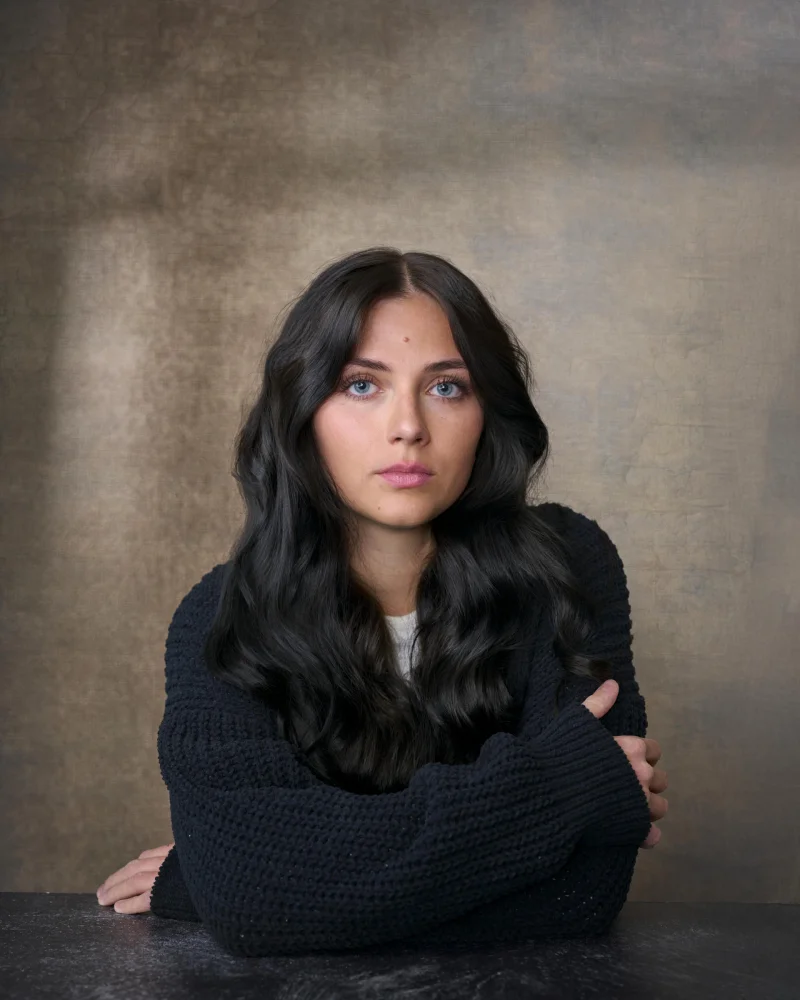
I like this look. An open button-down worn casually over a solid tee reads as relaxed, real, and unpretentious. It works for a lot of roles. The condition: the T-shirt underneath should be genuinely visible. Not just a sliver of fabric peeking out at the collar. If you can see the tee cleanly at the chest and neckline, it reads as an intentional layered look. If it's barely showing at the top, it just looks like you forgot to button your shirt. Make the layering count or simplify it.
---
A Note for Arizona Actors: The Heat Is Real
One thing that comes up constantly when I'm working with actors on acting headshots in Phoenix is the Arizona heat, and how much it affects the shoot experience. Showing up to a session after walking from a hot parking lot in August is not the vibe you want. You're sweaty, your clothes are sticking, and your energy is already depleted before we've taken a single frame.
This is one of the reasons I shoot out of my studio in Gilbert. Indoor, climate-controlled, no sun beating down on you between outfit changes. You walk in looking fresh, and you stay that way through the entire session. For actors doing acting headshots in Arizona, that's not a small thing. Comfort directly affects performance, and performance is everything in a headshot.
So if you're searching for acting headshots near me and you're in the Phoenix metro area, consider making the drive to Gilbert. Your wardrobe will thank you, and so will your face.
---
A Few More Things Worth Knowing
Iron your clothes the night before. Wrinkles read on camera in a way they don't always read in a mirror. This is a simple thing that makes a real difference.
Avoid sheer fabrics without a solid layer underneath. Sheer can look elegant, but anything that shows what's underneath adds a distraction that's hard to manage in post.
Bring options in each look. Sometimes a top that's perfect in person just doesn't translate on camera. Having two or three versions of each look gives you a backup and gives your photographer something to work with.
If you have an agent, ask them first. Every market is a little different, and your agent knows what's currently selling. Their opinion should anchor your choices before anything else.
---
The Bottom Line
Actor headshots are a marketing investment. What you wear is part of the message you're sending to casting directors, and that message should be intentional, specific, and pointed at the roles you actually want.
The best wardrobe choices are the ones that disappear into the image, where the viewer doesn't consciously register what you're wearing because they're too busy responding to you. That's the goal. Not fashion, not trends. Just you, clear and compelling, wearing something that gets out of your way.
If you're preparing for acting headshots in Phoenix or anywhere in the Valley and want to talk through your looks before the shoot, reach out. That kind of pre-session conversation is one of the best investments you can make in your headshots.
You May Also Like
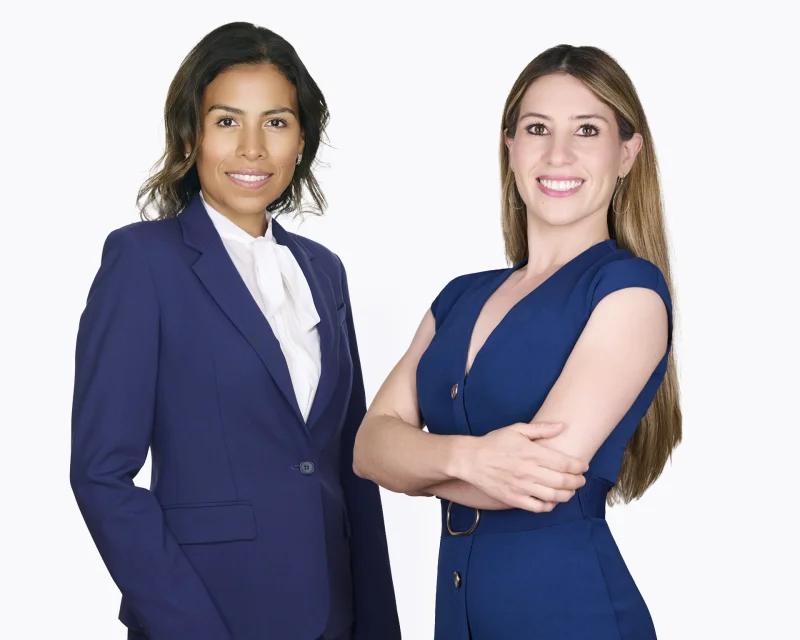
What to Wear for Your Headshot: A Guide for Women
Wear what you would wear to an important business meeting. A Phoenix photographer's guide to blazers, color, necklines, fit, and the one exception.
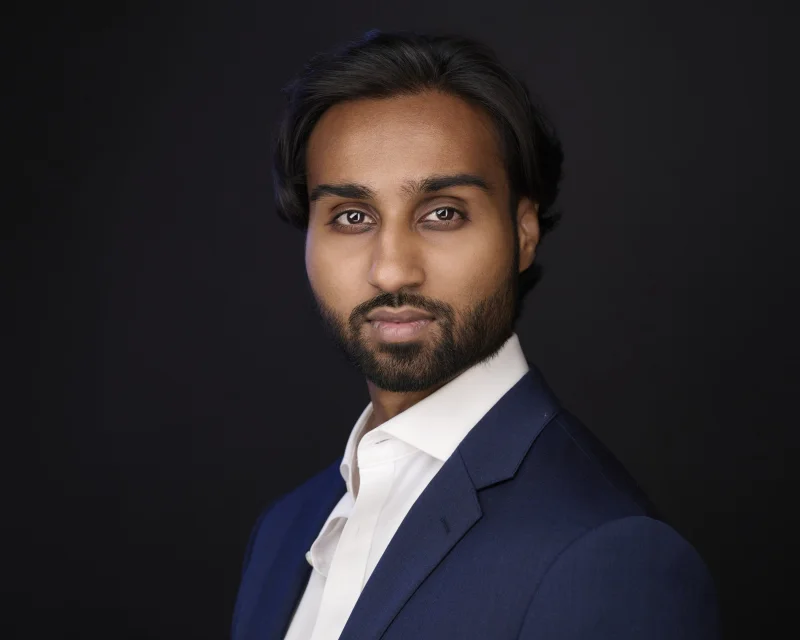
Should You Wear a Tie for Your Headshot? Here's the Real Answer
When does a tie belong in your headshot, and when does it just get in the way? The honest answer, plus the one rule about ties you should never break.
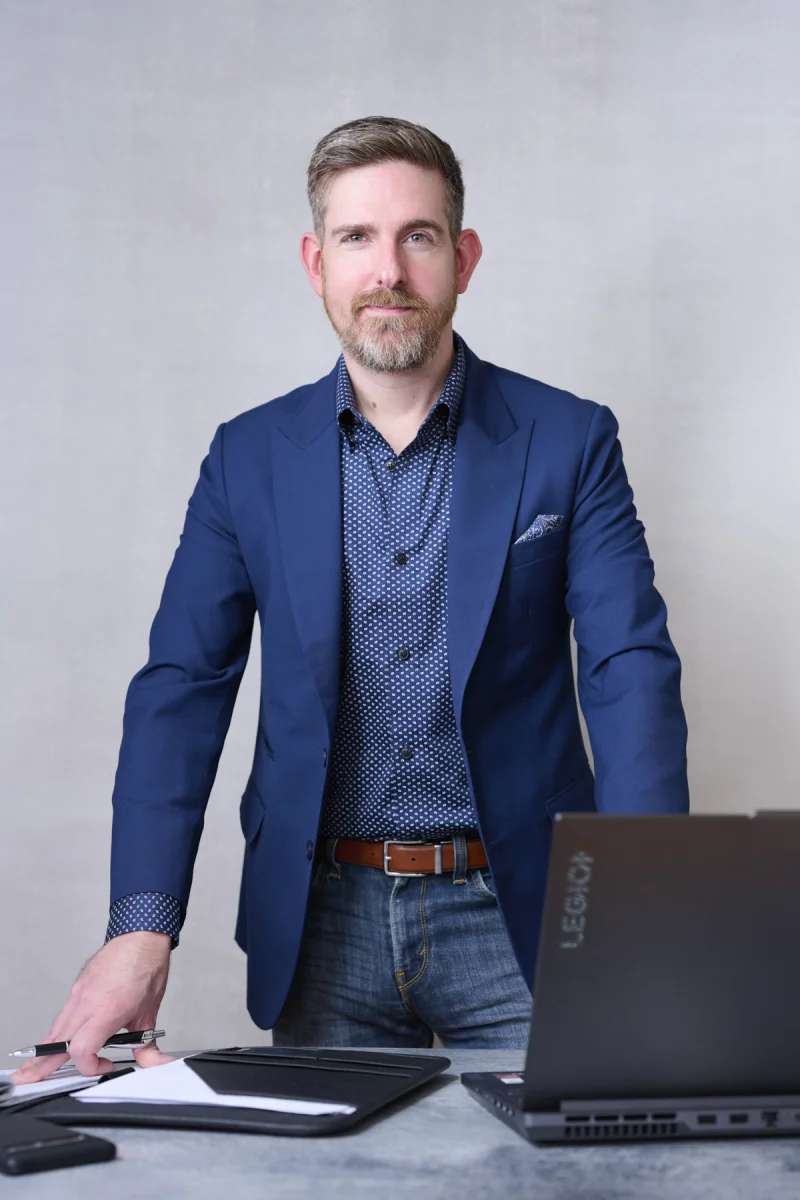
What to Wear for a Professional Headshot (Men's Guide)
Suits, blazers, or something else entirely? The right outfit depends on your industry, not a dress code. A Phoenix photographer's guide to colors, grooming, and common mistakes.
